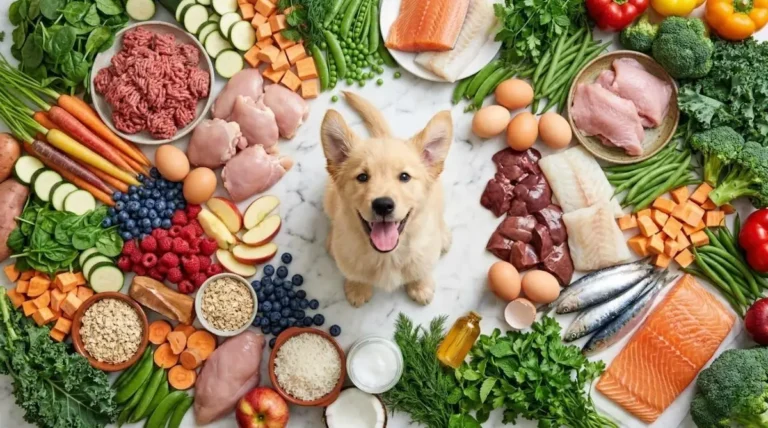
So your dog has been scratching like they’re auditioning for a flea circus, and your vet dropped the two words you were dreading: food allergies. Welcome to the club. It’s not a fun club, but we do have snacks—very carefully selected, single-protein, grain-free snacks.
Here’s the deal: limited ingredient dog food recipes are exactly what they sound like. Fewer ingredients = fewer chances for your dog’s immune system to throw a tantrum.
The golden rule? One protein, one carb, and a handful of dog-safe extras. That’s it. No mystery meat, no ten-syllable additives, no “natural flavors” that are somehow still mysterious.
I started making homemade limited ingredient meals for my own dog, Biscuit (yes, ironic name for an allergy dog), after he went through three elimination diets. And honestly? It changed everything.
These 15 recipes are battle-tested, vet-friendly in concept, and totally doable even if your idea of cooking is reheating leftovers.
Quick note before you start: Always run new homemade dog food recipes by your vet or a board-certified veterinary nutritionist. These recipes are meant as guides, not prescriptions. Now let’s get cooking.
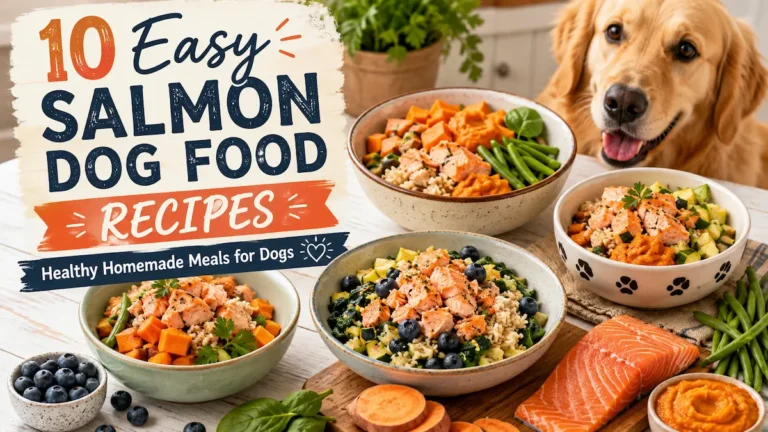
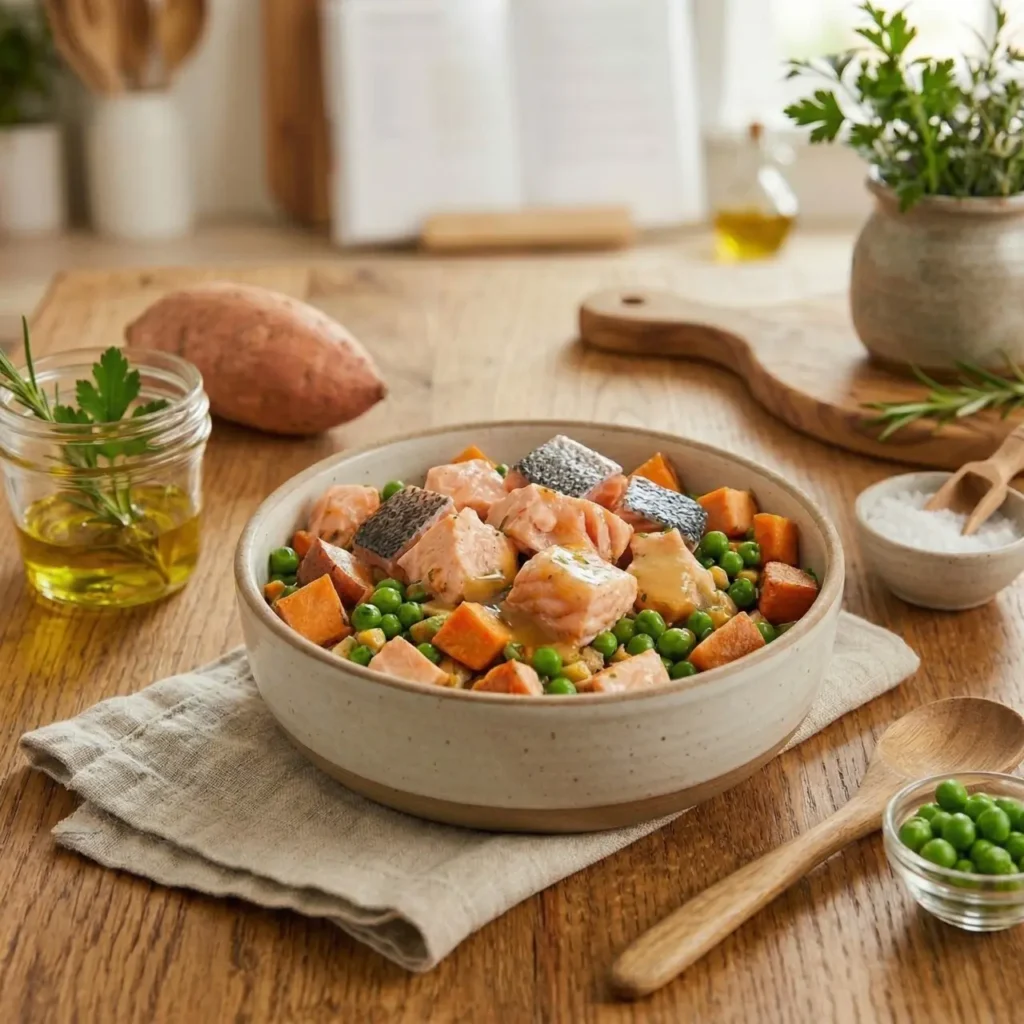
1. Simple Salmon & Sweet Potato Bowl
The classic starter recipe. If you’re new to making limited ingredient dog food, salmon and sweet potato is the combo everyone recommends first—and for good reason. It’s novel protein for most dogs (meaning they likely haven’t been exposed to it before), and sweet potato is one of the gentlest carbs around.
Ingredients
- 1 lb boneless, skinless salmon fillet
- 2 cups cooked sweet potato (peeled, mashed)
- 1 tsp fish oil (salmon oil works great)
- Water as needed for consistency
Step-by-Step Instructions
- Preheat your oven to 375°F and bake the salmon for 20–25 minutes until fully cooked.
- Remove all bones carefully—even “boneless” fillets can hide sneaky pin bones.
- Flake the cooked salmon into a mixing bowl.
- Add the mashed sweet potato and fish oil.
- Stir until combined. Add a splash of water if it feels too thick.
- Cool completely before serving.
Why You’ll Love It
This takes about 30 minutes total and keeps in the fridge for 3 days. Salmon is packed with omega-3 fatty acids, which can actually help calm inflamed, itchy skin—so you’re feeding your dog and treating their symptoms at the same time. Biscuit cleared his bowl so fast the first time I made this that I genuinely thought he swallowed it whole.
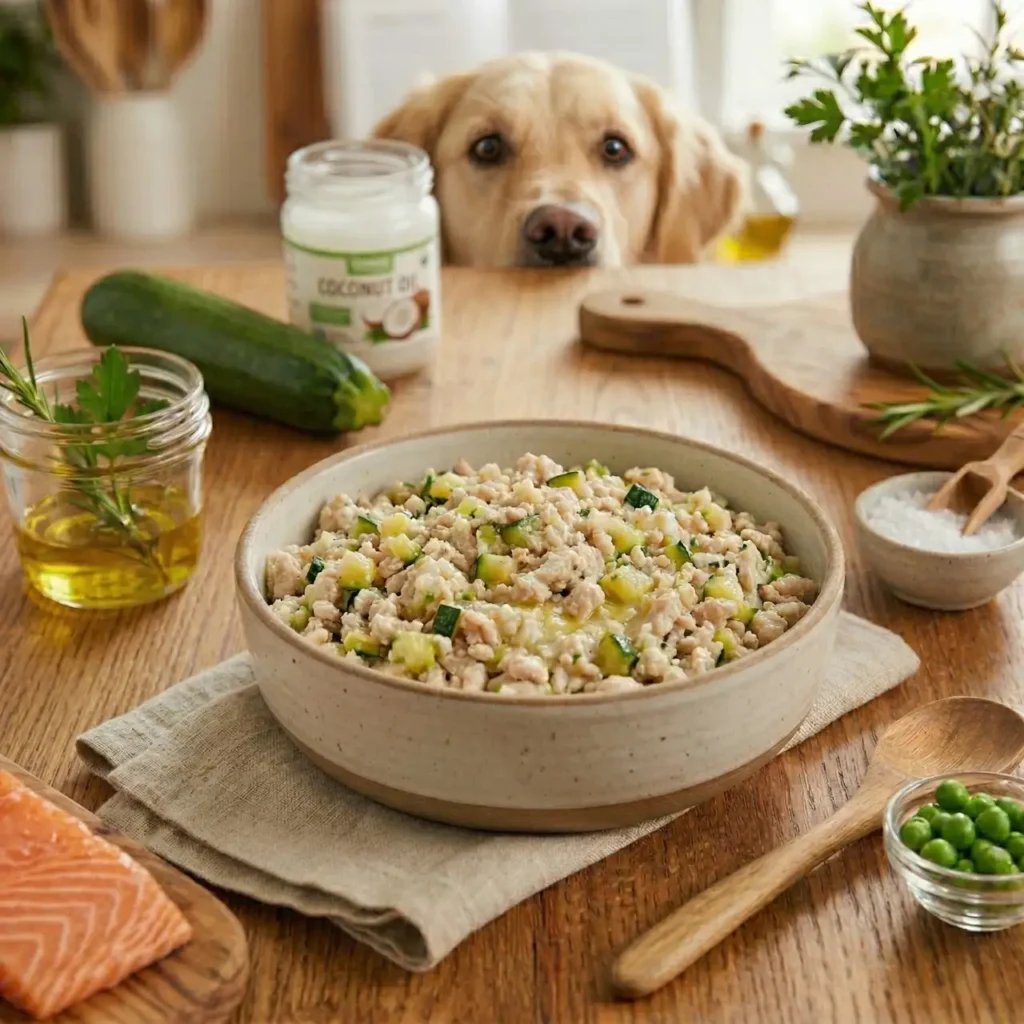
2. Turkey & Zucchini Mash
Ground turkey is one of the most underrated proteins in the dog food world. It’s lean, mild, and most allergy-prone dogs haven’t built up a sensitivity to it yet. Pair it with zucchini—low-calorie, high-water-content, and easy on the gut—and you’ve got a winner.
Ingredients
- 1 lb ground turkey (plain, no seasoning)
- 2 medium zucchinis, diced
- 1 tbsp coconut oil
- ½ cup water
Step-by-Step Instructions
- Heat coconut oil in a large skillet over medium heat.
- Add ground turkey and cook until no longer pink, breaking it up as you go.
- Add diced zucchini and ½ cup water.
- Simmer on low for 10 minutes until zucchini softens.
- Let cool, then serve or store in an airtight container.
Why You’ll Love It
Ready in under 25 minutes, this recipe is your weeknight hero. Ground turkey is usually very affordable, and zucchini goes on sale constantly. IMO, this is one of the most budget-friendly options on this whole list.
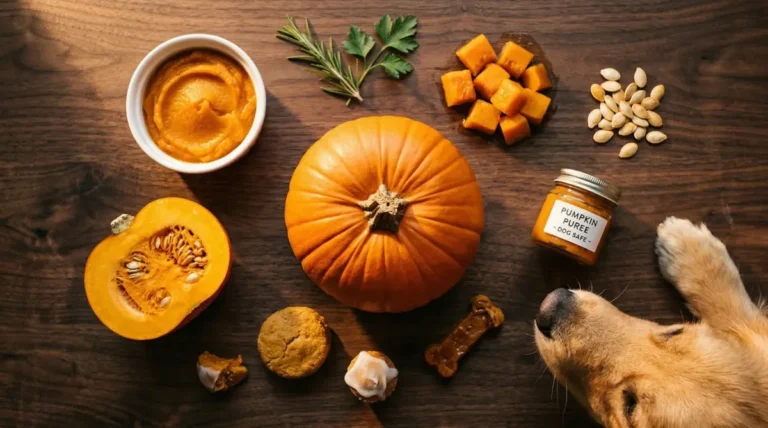
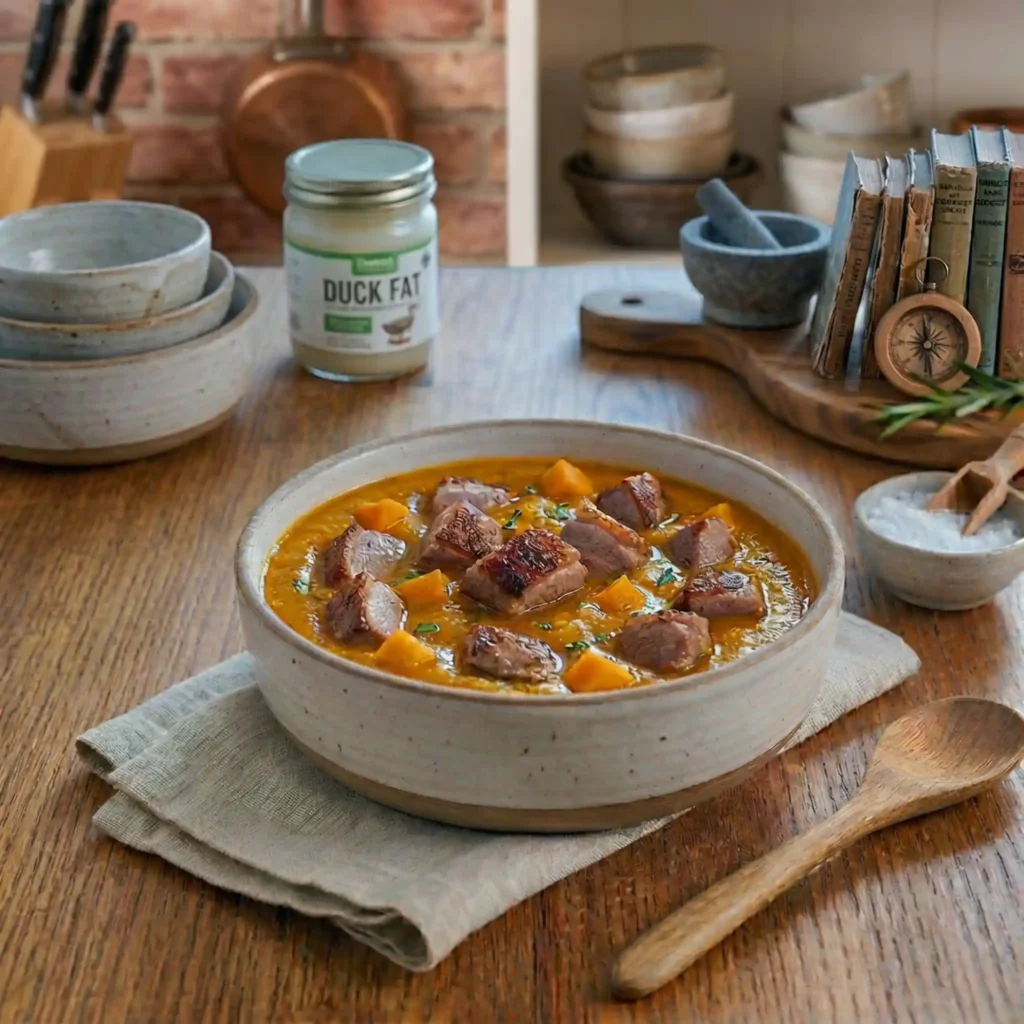
3. Duck & Pumpkin Stew
Duck is a novel protein for most dogs, making it ideal for elimination diets. It’s also rich in iron and amino acids. Pumpkin? Your dog’s digestive system will send you a thank-you card. It’s a natural gut regulator—works for both constipation and loose stools. Yes, both directions.
Ingredients
- 1 lb duck breast (skinless)
- 1 cup canned 100% pure pumpkin (not pie filling!)
- 1 cup water or low-sodium bone broth
- 1 tsp duck fat or olive oil
Step-by-Step Instructions
- Dice duck breast into bite-sized pieces.
- Heat oil in a pot over medium heat. Brown duck pieces for 5–7 minutes.
- Add pumpkin and broth/water.
- Simmer on low for 20 minutes, stirring occasionally.
- Cool before serving.
Why You’ll Love It
Pumpkin is basically a superfood for dogs, and duck gives you that novel protein punch. The stew consistency is especially great for dogs who’ve had GI upset, since it’s easy to digest and well-hydrated. This one smells incredible while cooking, which is simultaneously nice and a little weird.
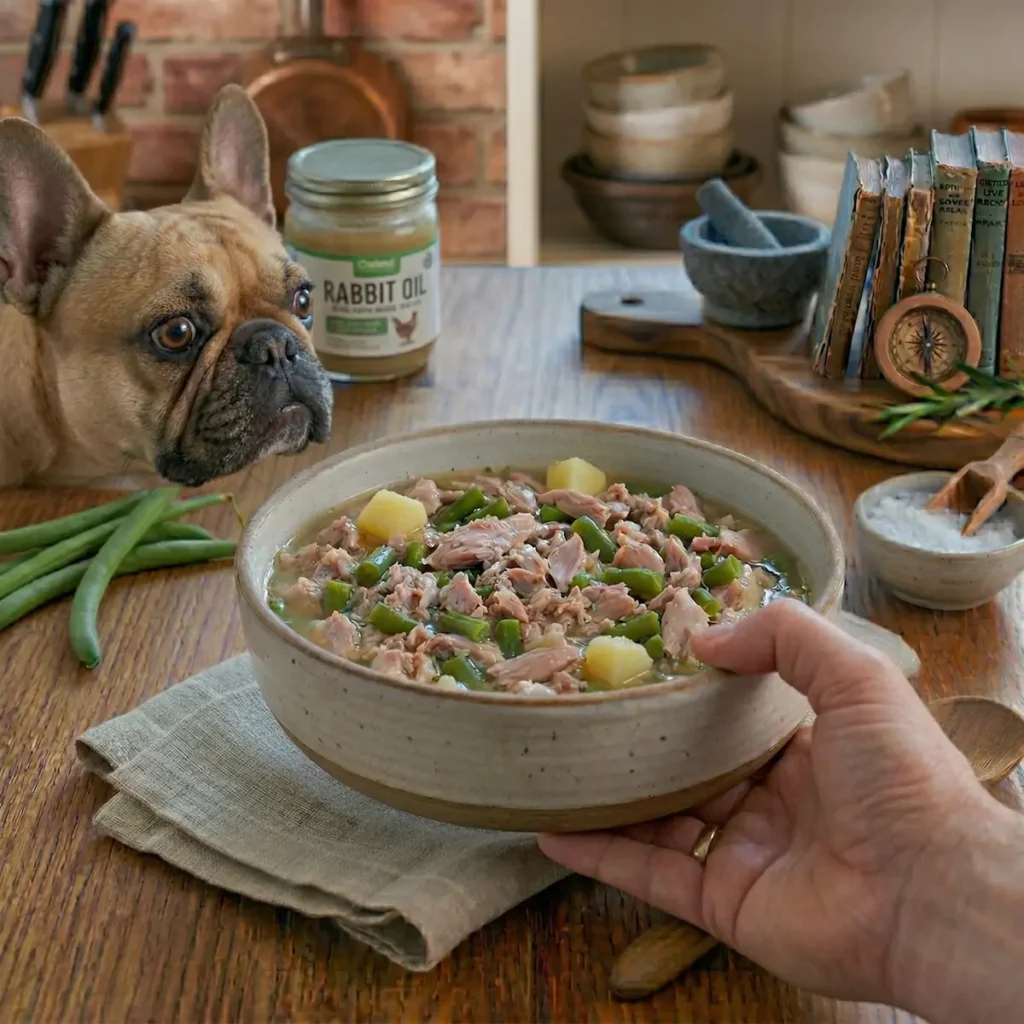
4. Rabbit & Green Beans Dinner
Okay, I know. Rabbit. But hear me out—rabbit is one of the cleanest, leanest novel proteins you can find, and it’s increasingly available at specialty grocery stores and butchers. Green beans are a vet-recommended low-calorie filler that dogs actually enjoy.
Ingredients
- 1 lb ground or diced rabbit meat
- 1½ cups fresh or frozen green beans (chopped)
- 1 tbsp olive oil
- ½ cup water
Step-by-Step Instructions
- Heat olive oil in a skillet over medium heat.
- Cook rabbit meat until fully done, about 10–12 minutes.
- Add green beans and water.
- Cover and cook for another 8 minutes until beans are tender.
- Cool thoroughly and serve.
Why You’ll Love It
Rabbit is hypoallergenic by nature for most dogs and very low in fat. This recipe is perfect for dogs who are also managing weight alongside their allergies. Two birds, one stone—so to speak. (Please don’t feed your dog birds unless they’re specifically recommended. Just a precaution. 🙂
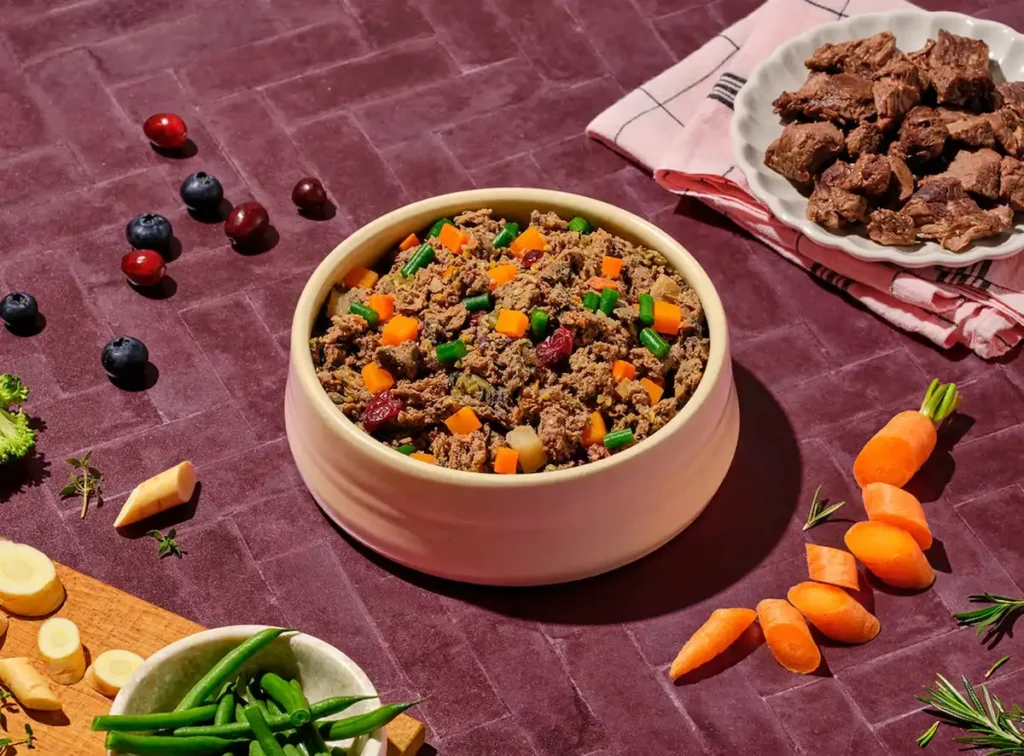
5. Venison & Butternut Squash Bowl
Venison is another superstar novel protein. Most commercial dog foods don’t use it, which means dogs with long histories of chicken, beef, or lamb allergies can usually tolerate it without drama. Butternut squash is gentle, sweet, and full of beta-carotene.
Ingredients
- 1 lb ground venison
- 2 cups butternut squash (cubed, cooked)
- 1 tsp sunflower oil
- Salt-free, additive-free broth for moisture (optional)
Step-by-Step Instructions
- Cook butternut squash by steaming or roasting at 400°F for 25 minutes.
- Brown ground venison in a skillet over medium heat. Drain any excess fat.
- Combine venison and squash in a bowl.
- Add sunflower oil and a splash of broth if needed.
- Mash or leave chunky depending on your dog’s preference.
Why You’ll Love It
This is one of the more visually appealing dog food recipes—golden squash, rich venison, a little glossy from the oil. Not that your dog cares about aesthetics (they’d eat a sock), but it makes you feel like a real dog chef.
6. Whitefish & Potato Patties
Not every dog does well with just mash or stew textures—some dogs prefer something with a bit more structure. These little whitefish and potato patties hold their shape and work great as a topper or a full meal depending on portion size.
Ingredients
- 1 lb cod, tilapia, or haddock fillet
- 1½ cups mashed white potato (plain, skin removed)
- 1 egg (if your dog tolerates eggs)
- 1 tsp olive oil
Step-by-Step Instructions
- Bake or poach fish until fully cooked. Flake and let cool.
- Combine flaked fish with mashed potato.
- Add egg as a binder if using.
- Shape into small patties.
- Pan-fry in olive oil over medium heat for 3–4 minutes per side until golden.
- Cool and serve, or refrigerate up to 3 days.

Why You’ll Love It
Whitefish is low in fat and high in protein, and white potato is one of the most easily digestible carbs for sensitive pups. FYI—if you’re doing a strict elimination diet, skip the egg until you’ve confirmed your dog tolerates it.
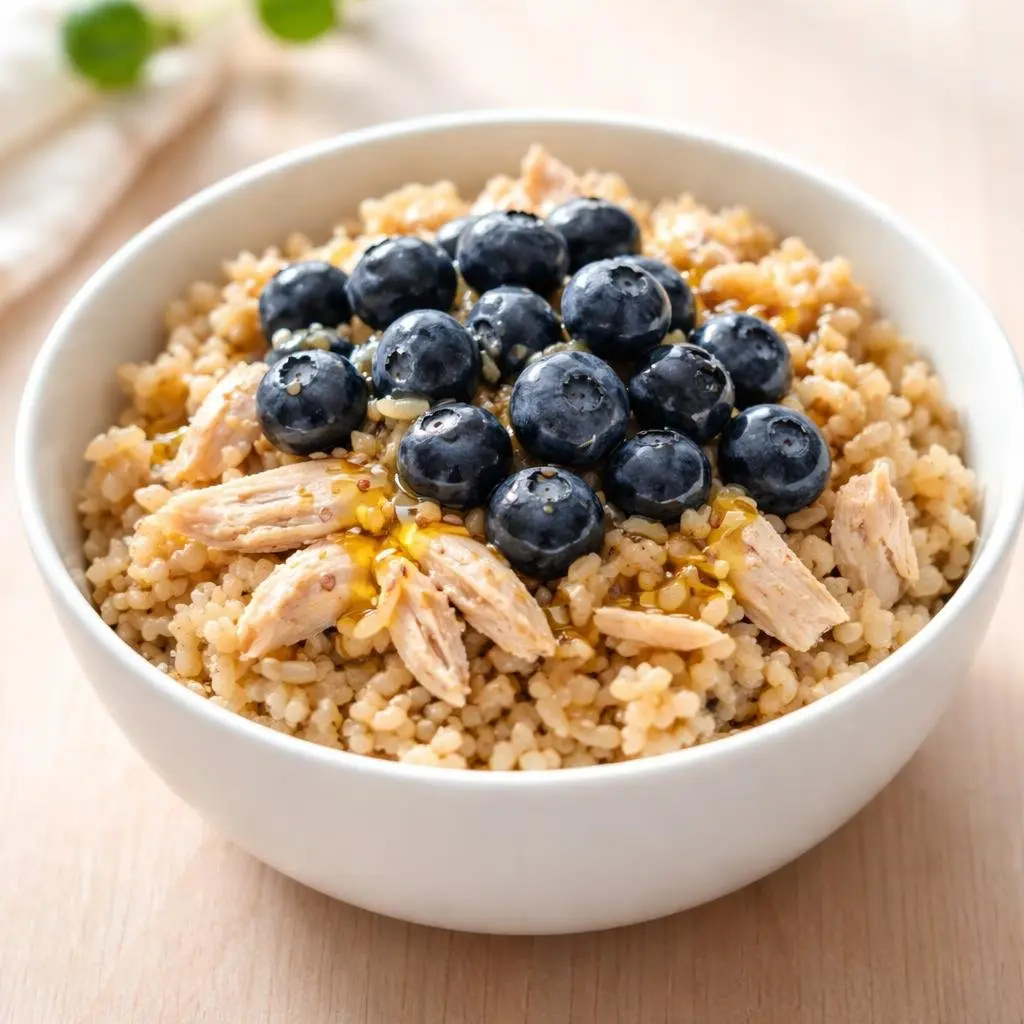
7. Chicken & Blueberry Recovery Bowl
Wait—chicken? On an allergy list? Yes, but only if your dog hasn’t been diagnosed specifically with a chicken allergy. Chicken is actually a great protein for dogs who are sensitive to beef or lamb. And blueberries bring antioxidants and a pop of sweetness that dogs genuinely seem to love.
Ingredients
- 1 lb boneless, skinless chicken breast
- ½ cup fresh or frozen blueberries
- 1 cup cooked brown rice
- 1 tsp flaxseed oil
Step-by-Step Instructions
- Boil chicken breast in plain water for 20–25 minutes until fully cooked.
- Shred chicken using two forks.
- Mix shredded chicken with brown rice.
- Add blueberries and flaxseed oil.
- Toss gently and serve at room temperature.
Why You’ll Love It
This recipe is a great post-digestive-upset recovery meal because it’s simple, binding (thanks to the rice), and full of easy-to-process nutrients. Biscuit ate this during his post-diagnosis reset period and bounced back fast. I may have cried a little. Moving on.
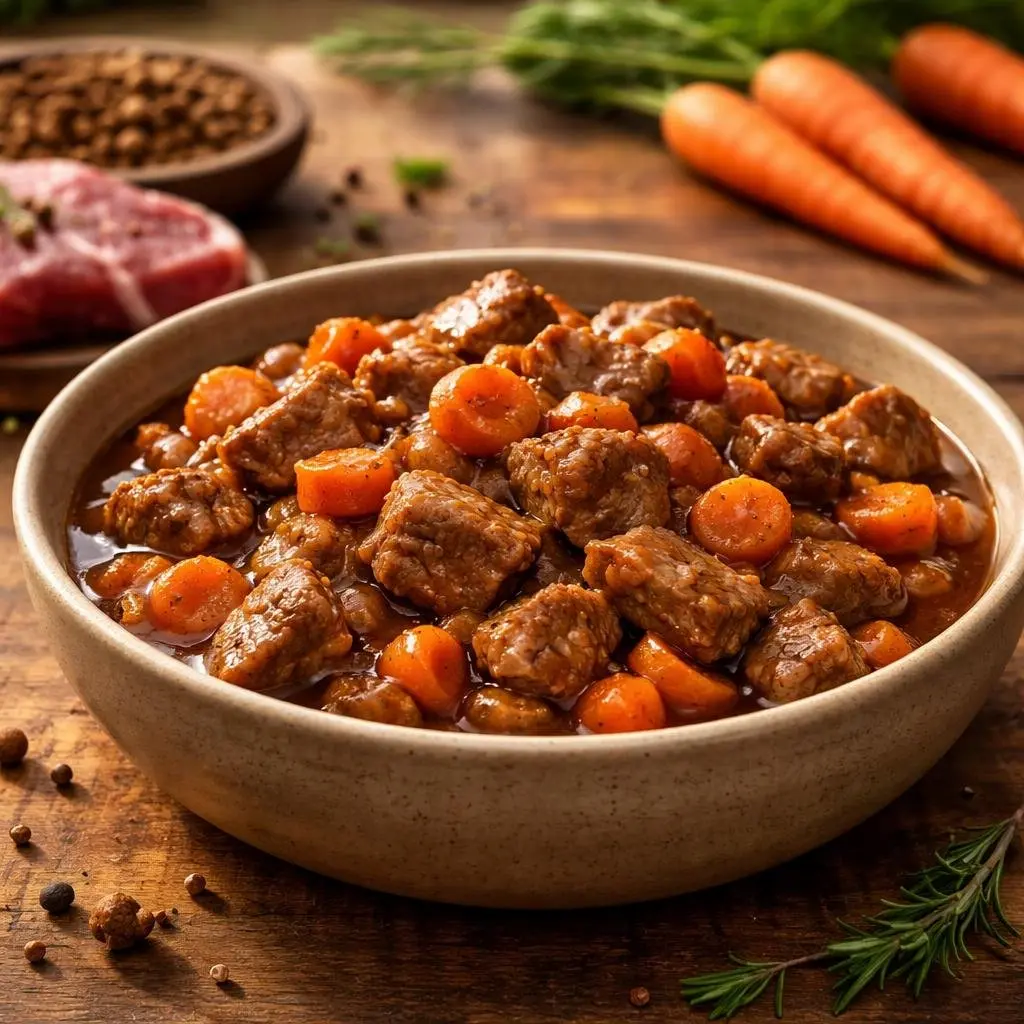
8. Lamb & Carrot Slow Cooker Stew
Got a slow cooker? Congratulations, this recipe requires almost zero effort from you. Toss everything in, set it, and forget it while your dog stares at the counter willing it to finish faster.
Ingredients
- 1 lb ground lamb or lamb shoulder (cubed)
- 2 cups carrots (sliced)
- 1 cup water or plain bone broth
- 1 tsp olive oil
Step-by-Step Instructions
- Lightly brown lamb in a skillet with olive oil for 5 minutes.
- Transfer to slow cooker with carrots and liquid.
- Cook on low for 6–7 hours or high for 3–4 hours.
- Mash lightly or leave chunky.
- Cool completely before serving.
Why You’ll Love It
Lamb is a fantastic novel protein for dogs who’ve been on chicken or beef their whole lives. Carrots provide fiber, beta-carotene, and a natural sweetness. The slow cooker makes everything fall-apart tender—which is great for senior dogs or dogs with dental issues.
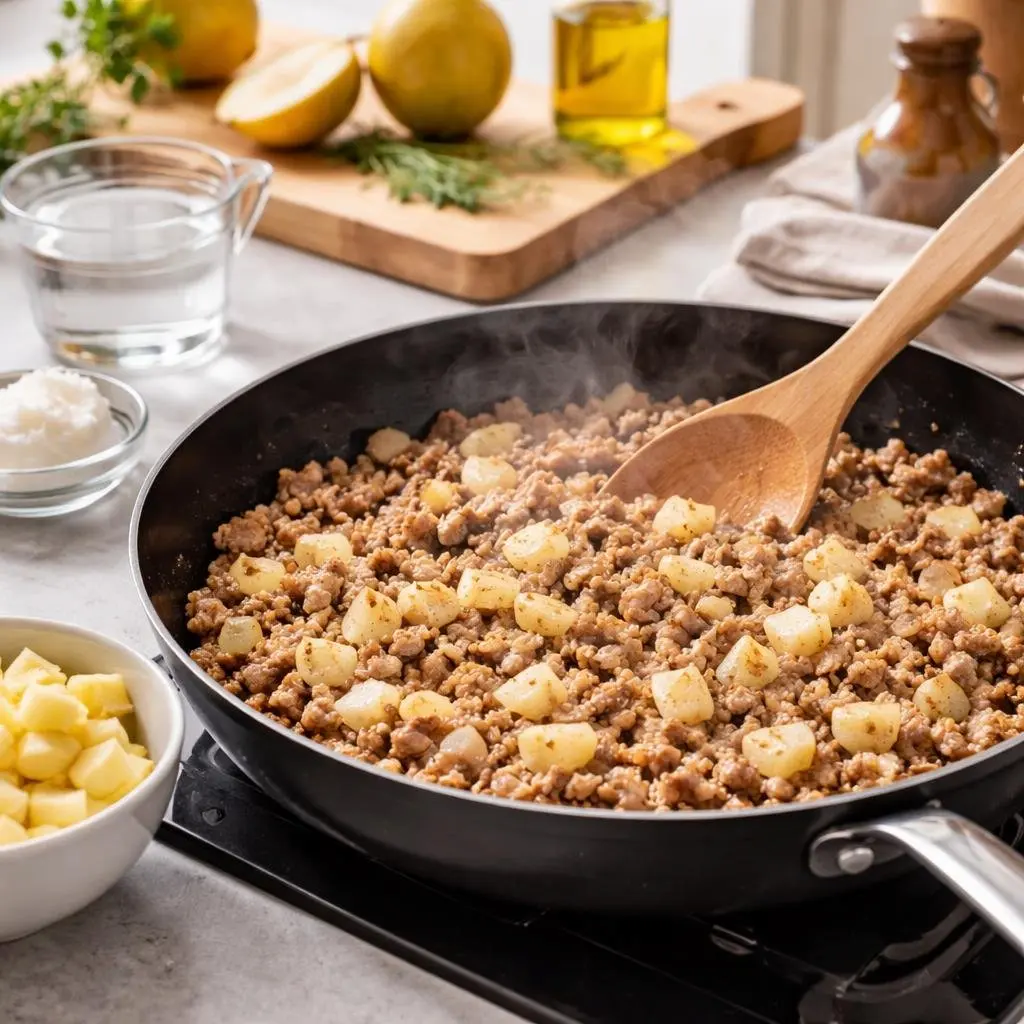
9. Pork & Pear Puree
Pork doesn’t get enough love in the dog food world. It’s a novel protein for many dogs and surprisingly easy to digest when cooked plain. Pear adds natural sweetness plus fiber—just make sure you remove the seeds and core, which contain trace amounts of cyanide. (Yes, really. Nature is dramatic.)
Ingredients
- 1 lb lean ground pork
- 1 ripe pear (peeled, cored, diced)
- ½ cup water
- 1 tsp coconut oil
Step-by-Step Instructions
- Cook ground pork in a skillet over medium heat until fully browned.
- Drain excess fat well.
- Add diced pear and water.
- Simmer for 10 minutes until pear softens.
- Mash together or blend lightly for a smoother texture.
- Cool and serve.
Why You’ll Love It
This one sounds almost fancy, right? Pork and pear. The combo works surprisingly well flavor-wise, and dogs seem very into the slight sweetness from the pear. Keep portions of pear moderate—it’s low-calorie but high in natural sugar.
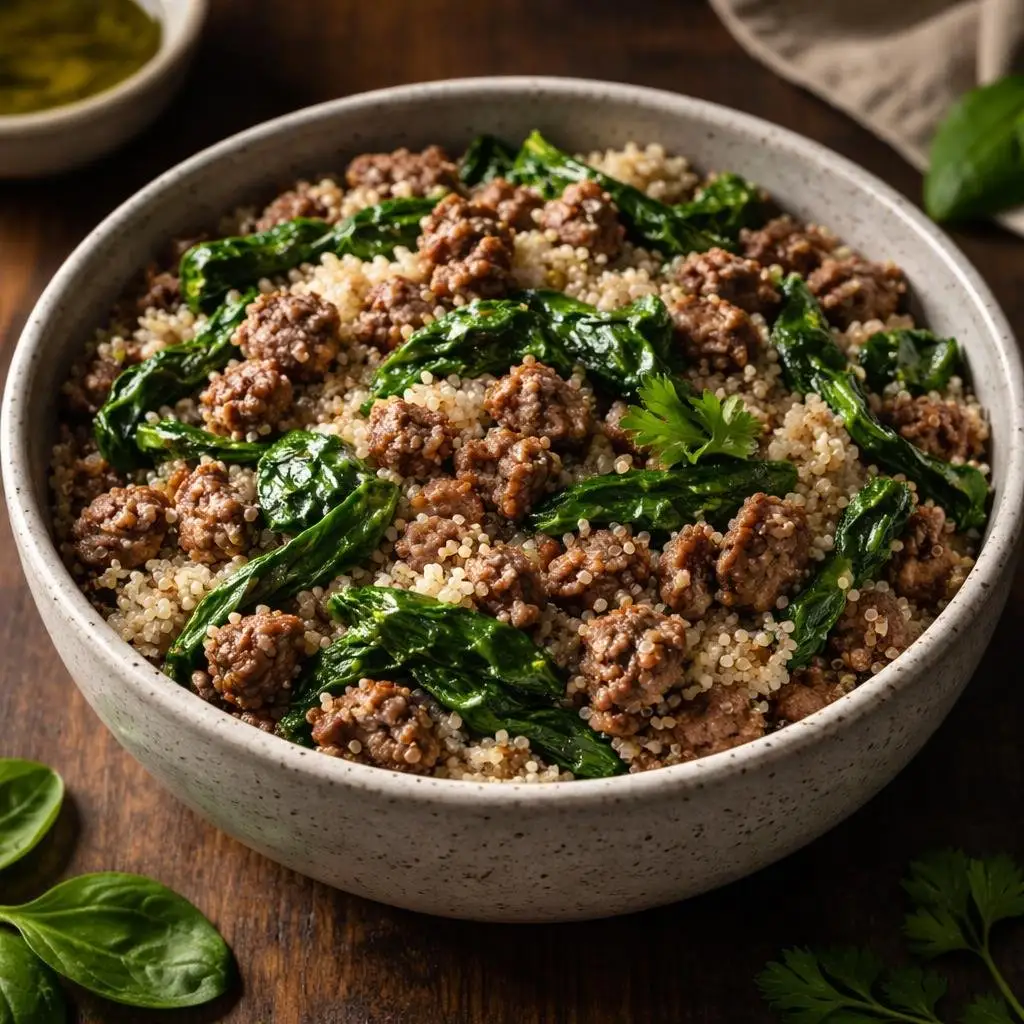
10. Beef & Quinoa Power Bowl
For dogs who haven’t been identified as beef-sensitive, beef is a protein powerhouse. Pair it with quinoa—a complete protein that’s also grain-free in the traditional allergen sense—and you’ve got a seriously nutrient-dense meal.
Ingredients
- 1 lb lean ground beef (90% lean or higher)
- 1 cup cooked quinoa
- ½ cup spinach (wilted)
- 1 tsp olive oil
Step-by-Step Instructions
- Cook ground beef in a skillet, draining fat well.
- Cook quinoa separately per package instructions (in plain water).
- Wilt spinach briefly in a pan with a tiny splash of water.
- Combine beef, quinoa, and spinach.
- Drizzle with olive oil and mix well.
Why You’ll Love It
Quinoa is one of the few plant foods that provides all essential amino acids, making this bowl extra balanced. Spinach adds iron and folate—just keep the portions small, as too much spinach can interfere with calcium absorption in large quantities.
11. Turkey & Cranberry Meal (Thanksgiving Every Day)
Why should Thanksgiving be once a year? This recipe takes that beloved combo and makes it dog-appropriate. No gravy, no stuffing, no regrets.
Ingredients
- 1 lb ground turkey
- ¼ cup fresh cranberries (cooked down, unsweetened)
- 1 cup cooked mashed parsnip
- 1 tsp flaxseed oil
Step-by-Step Instructions
- Simmer cranberries in ¼ cup water for 10 minutes until they burst and soften. Let cool.
- Cook ground turkey in a skillet until fully done.
- Combine turkey, mashed parsnip, and cooled cranberry sauce.
- Add flaxseed oil and mix well.
Why You’ll Love It
Cranberries have natural urinary tract benefits for dogs (same as humans!), and parsnip is a wonderfully underused veggie that’s gentle on digestion. This is a festive recipe that’s actually healthy—unlike the real Thanksgiving, which is a dietary catastrophe.
12. Sardine & Sweet Potato Mini Bites
Sardines are the budget-friendly superfood hiding in plain sight at every grocery store. Packed with omega-3s, vitamin D, and calcium (especially when eaten with soft bones), they’re incredible for skin and coat health—which is often a big concern with allergy dogs.
Ingredients
- 2 cans sardines in water (no salt added)
- 1½ cups cooked mashed sweet potato
- 1 egg
- ¼ cup oat flour (if tolerated; skip for grain-free)
Step-by-Step Instructions
- Preheat oven to 350°F.
- Drain sardines and mash well with a fork.
- Combine mashed sardines with sweet potato and egg.
- Add oat flour if using, for better binding.
- Roll into small balls or press into a baking dish and cut into squares.
- Bake for 20–25 minutes until firm.
- Cool completely and refrigerate.
Why You’ll Love It
These little bites are easy to portion, store beautifully in the fridge or freezer, and are incredibly nutrient-dense. They’re also great as training treats. Fair warning: they smell intensely fishy while baking. Open a window. Maybe two.
13. Chicken Liver & Brown Rice Boost
Organ meat time! Before you make a face—chicken liver is one of the most nutrient-dense foods on the planet, for dogs and humans alike. A small amount goes a very long way. Use it as a meal booster rather than the entire protein source.
Ingredients
- ¼ lb chicken liver (fresh or frozen, thawed)
- 1 lb chicken breast
- 1 cup cooked brown rice
- 1 tsp coconut oil
Step-by-Step Instructions
- Boil chicken breast until cooked through. Shred and set aside.
- Sauté chicken liver in coconut oil for 5–7 minutes until fully cooked. Do not undercook.
- Chop liver into small pieces.
- Combine shredded chicken, liver pieces, and brown rice.
- Mix well and serve at room temperature.
Why You’ll Love It
Liver is loaded with vitamin A, B vitamins, and iron—but keep it at no more than 5–10% of the total meal. Too much liver causes vitamin A toxicity. So yes, this is one case where more is definitely not better.
14. Bison & Acorn Squash Hash
Bison is the ultimate novel protein—rarely used in commercial pet food, widely available, and very well-tolerated by most dogs with chronic allergies. It’s also leaner than beef and has a slightly richer flavor. Acorn squash is sweet, easy to digest, and loaded with vitamin C and potassium.
Ingredients
- 1 lb ground bison
- 2 cups acorn squash (roasted, cubed)
- 1 tsp olive oil
- ½ cup water
Step-by-Step Instructions
- Roast acorn squash at 400°F for 30 minutes until tender. Cube after cooling.
- Cook ground bison in a skillet over medium heat. Drain any fat.
- Add squash and water.
- Simmer together for 5 minutes.
- Cool and serve.
Why You’ll Love It
If your dog has failed multiple protein trials, bison is often the magic move. It’s novel enough that even sensitive systems typically accept it. Plus, roasted acorn squash smells amazing and makes the whole house smell like fall—which is an unexpected bonus.
15. Egg & Mashed Potato Scramble (The Ultimate Simplicity)
Sometimes you need a recipe you can pull together in 10 minutes with things you already have. Eggs are highly digestible, single-ingredient protein powerhouses, and mashed potato is about as gentle as it gets for a sensitive stomach.
Ingredients
- 3 large eggs
- 2 cups plain mashed potato (no butter, salt, or seasoning)
- 1 tsp olive oil
Step-by-Step Instructions
- Whisk eggs in a bowl.
- Cook scrambled eggs in olive oil over low heat. Don’t overcook—soft and just set is perfect.
- Combine with plain mashed potato.
- Mix gently and cool before serving.
Why You’ll Love It
This is the recipe you make at 11pm when you forgot to prep and your dog is giving you the look. Ten minutes, done. Eggs provide all essential amino acids and are one of the most bioavailable proteins you can feed. If your dog hasn’t had egg before and you’re on an elimination diet, introduce it separately first—just to be safe.
Important Tips Before You Start Cooking
Portion Control Matters: These recipes aren’t one-size-fits-all. A Chihuahua needs way less food than a Great Dane (obviously). Check with your vet about proper portions based on your dog’s weight and activity level.
Introduce Slowly: Don’t just switch your dog’s food overnight. That’s a recipe for digestive chaos. Gradually mix the new food with their current food over 7-10 days, increasing the ratio of new food each day.
Skip the Seasonings: I know it’s tempting to add salt, garlic, or onion powder because plain food seems boring. Don’t do it. Garlic and onions are toxic to dogs, and excess salt isn’t great either. Your dog’s taste buds are different from yours—they’ll love this stuff plain.
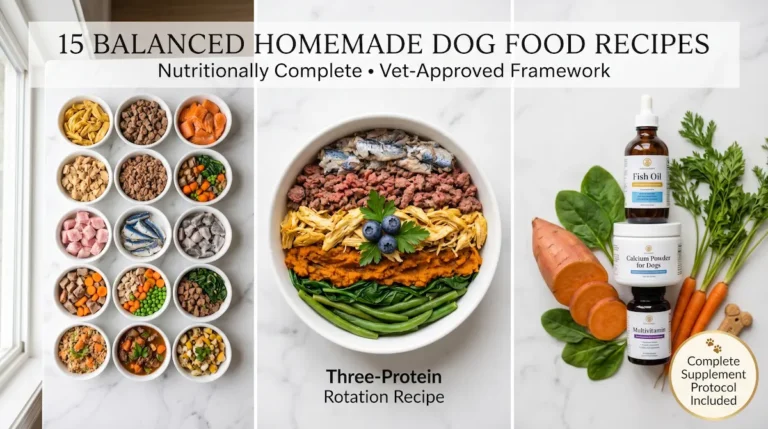
Storage Smarts: Most of these recipes will last 4-5 days in the fridge or up to 3 months in the freezer. I portion everything into single-serving containers so I can just grab and go. Silicone muffin trays work great for freezing individual portions.
Supplements Might Be Necessary: Homemade dog food can sometimes lack certain vitamins and minerals (like calcium). Talk to your vet about whether you should add a canine multivitamin or specific supplements to keep things balanced.
Watch for Changes: Keep an eye on your dog’s symptoms. Less scratching? Shinier coat? More energy? That’s what we’re looking for. If symptoms persist or worsen, definitely check back in with your vet—there might be something else going on.
How to Know If It’s Working
Give it time. Like, actual time—not just three days. Most dogs need at least 6-8 weeks on a new diet before you’ll see significant improvements in allergy symptoms. I know that feels like forever when your dog is miserable, but stick with it.
Signs things are improving:
- Less scratching and licking (the most obvious one)
- Shinier, healthier coat (you’ll actually notice this pretty quickly)
- Better digestion (more consistent poops—yes, we’re talking about poop)
- More energy (dogs feel better when they’re not constantly uncomfortable)
- Clearer skin (less redness, hot spots, or irritation)
If you’re not seeing any improvement after 8 weeks, it might be time to try a different protein or talk to your vet about other potential causes. Sometimes what looks like food allergies is actually environmental allergies, parasites, or skin infections. Fun times.
Wrapping Up: Less Really Is More
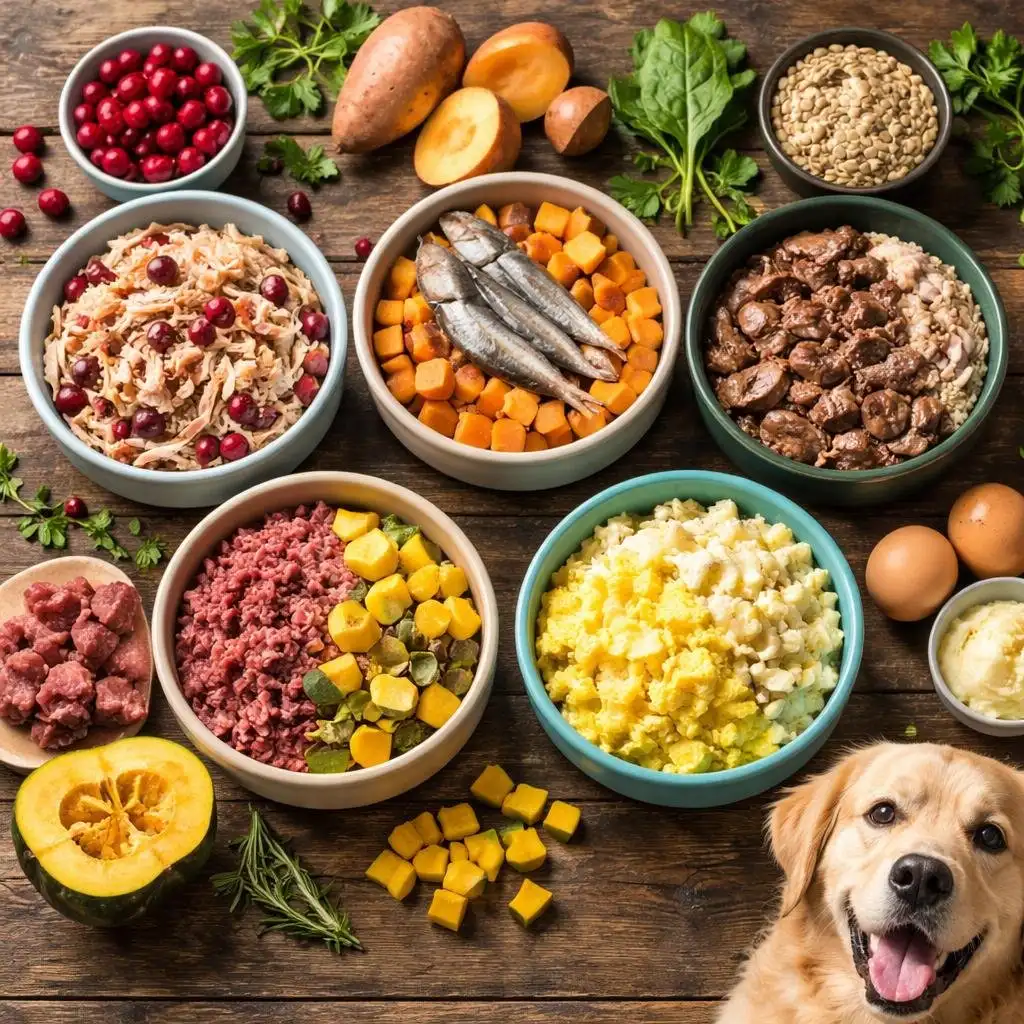
If you’ve made it this far, you now have 15 genuinely useful limited ingredient dog food recipes that cover a wide range of proteins, carbs, and dietary needs.
Whether your pup is dealing with itchy skin, chronic GI issues, or a full-on food allergy diagnosis, these simple meals give their body a chance to reset and recover without the overwhelm of a 30-ingredient commercial kibble.
The key takeaways? Novel proteins are your best friend. Simple carbs like sweet potato, pumpkin, and squash are gentle and nutritious. And healthy fats—fish oil, flaxseed oil, coconut oil—can actively support skin and coat health while you work through the allergy journey.
Keep rotating proteins thoughtfully, work with your vet, and don’t give up if the first recipe doesn’t feel like the magic answer. Allergies take time to sort out—but your dog’s comfort is absolutely worth the extra effort.
Now go make your pup something delicious. They’ve been very patient while you read all of this. 🙂