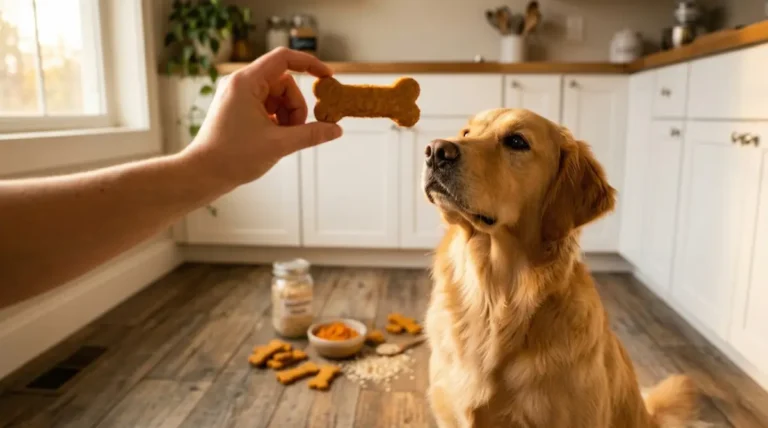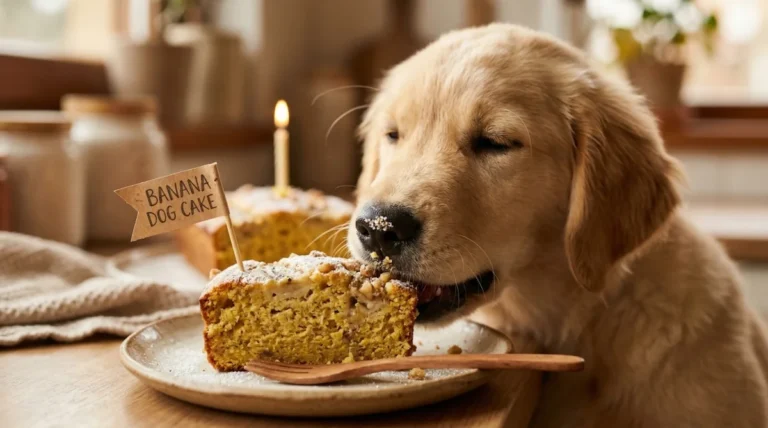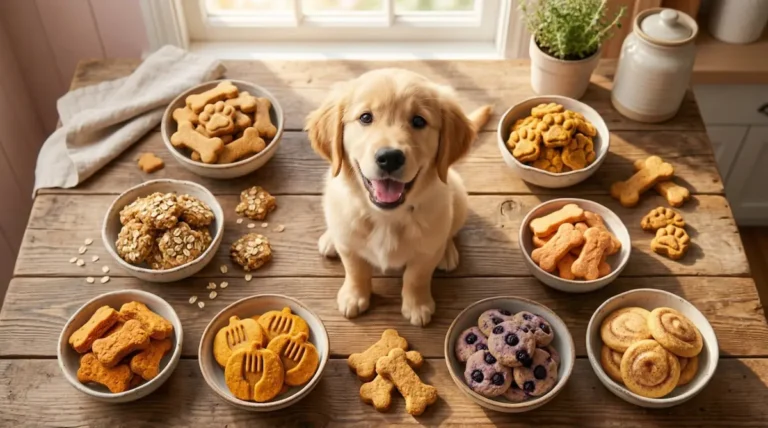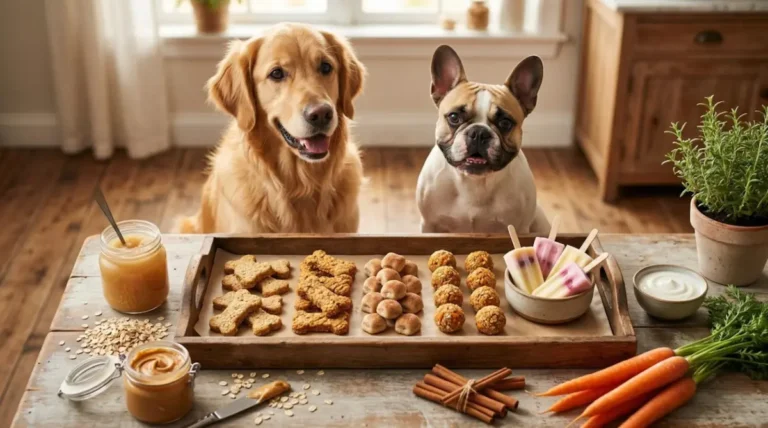

Short answer: yes. Slightly longer answer: yes, with a couple of easy-to-follow rules that take about ten seconds to learn. Full answer: apples are one of the best fruits a dog can eat, and there are at least five genuinely great recipes worth making with them.
Apples show up on virtually every vet-approved fruit list for dogs — and for good reason. They’re crunchy, naturally sweet, packed with useful nutrients, low in calories, and most dogs treat them like the greatest thing that has ever happened.
The seed situation gets more attention than it probably deserves, but it’s worth understanding clearly. Everything else about apples and dogs is straightforwardly positive. 🙂
Here are the recipes first, then everything worth knowing about why apples work so well for dogs.
Apple Dog Treat Recipes
1. Apple & Peanut Butter Baked Biscuits
The classic combination — apples and peanut butter together in a baked biscuit that dogs treat as a five-star dining experience. These are crispy, portable, and keep well for two weeks, making them the best everyday apple treat on the list.
Apple & Peanut Butter Baked Biscuits
Crispy, wholesome biscuits with real apple and peanut butter — ~24 treats per batch
Ingredients
1 medium apple, peeled, cored & finely diced
⚠ Remove all seeds — apple seeds contain trace cyanide compounds and must never be fed to dogs
¼ cup peanut butter (xylitol-free)
⚠ Always check the label — xylitol is toxic to dogs and appears in many “natural” or “reduced sugar” brands. Natural peanut butter with only peanuts (and salt) is safest.
1 egg
acts as a binder — helps hold the dough together during baking
2 cups whole wheat flour (or oat flour)
✦ Use oat flour for dogs with wheat sensitivity — same quantity, slightly softer texture
¼ cup plain Greek yogurt
adds moisture and a mild probiotic boost — plain only, no added sweeteners
2–3 tbsp water (as needed)
add one tablespoon at a time if dough is too dry to roll
Instructions
Preheat oven to 350°F (175°C). Line a baking sheet with parchment paper.
In a large bowl, mix peanut butter, egg, and Greek yogurt until smooth.
Stir in diced apple.
Add flour gradually, mixing into a firm dough. Add water one tablespoon at a time if too dry to roll out.
Roll dough to ¼ inch thickness on a lightly floured surface. Cut into shapes and place on the lined baking sheet.
Bake 18–22 minutes until golden and firm. Cool completely before serving — biscuits crisp up further as they cool.
🍎 Storage: Airtight container at room temperature for up to 2 weeks, or freeze for up to 3 months. Because these contain Greek yogurt, discard any biscuits that smell off or show moisture buildup sooner than expected.
2. Frozen Apple & Yogurt Pops
Three ingredients, zero baking, five minutes of prep. These frozen pops are perfect for summer and work equally well for teething puppies or senior dogs who appreciate a cooler, softer treat. 🙂
Frozen Apple & Yogurt Pops
3 ingredients, 5 minutes of prep — a cooling probiotic treat dogs love
Ingredients
1 large apple, peeled, cored & chopped
⚠ Remove all seeds — apple seeds are toxic to dogs
✦ Natural pectin helps thicken the mixture for a better-textured pop
1 cup plain Greek yogurt
plain only — adds protein and probiotic support
1 tbsp honey (optional)
⚠ Omit for puppies under 1 year — their digestive systems aren’t ready for honey
Instructions
Blend apple until smooth, or leave slightly chunky if your dog enjoys texture.
Stir blended apple into Greek yogurt. Add honey if using and mix well.
Pour into silicone molds or an ice cube tray.
Freeze for at least 4 hours or overnight. Store extras in a freezer-safe bag for up to 2 months.
❄️ Tip: Silicone molds release pops much more easily than rigid trays — worth it if you make frozen treats regularly. Serve immediately after popping out.
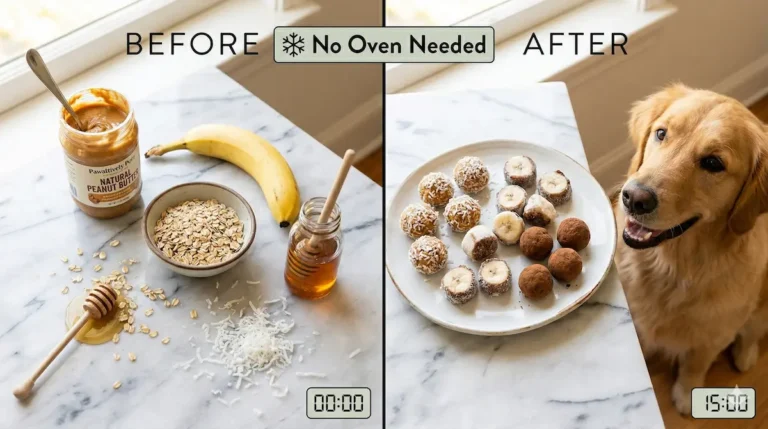
3. No-Bake Apple & Oat Energy Balls
The fastest apple treat on this list — ten minutes, no oven, and the result is a soft, rollable treat that works perfectly as a training reward. IMO these are the most practical recipe here for everyday use.
No-Bake Apple & Oat Energy Balls
No oven needed — soft, naturally sweet, and easy to break into training-sized pieces
Ingredients
1 medium apple, peeled, cored & grated
⚠ Remove all seeds before grating — apple seeds are toxic to dogs
✦ Grating distributes moisture evenly — this is what binds the mixture naturally
1 cup rolled oats
base of the recipe — add an extra tablespoon if the mixture is too wet to roll
2 tbsp peanut butter (xylitol-free)
⚠ Check the label — xylitol is toxic to dogs and hides in many “natural” brands
1 tbsp chia seeds (optional)
adds omega-3s and helps absorb excess moisture
1 tsp cinnamon — Ceylon only
⚠ Use Ceylon (“true”) cinnamon only — Cassia cinnamon contains high coumarin levels that can be harmful to dogs in regular use
Instructions
Grate apple directly into a mixing bowl.
Add oats, peanut butter, chia seeds, and cinnamon. Mix until combined — the mixture should hold its shape when pressed. Add an extra tablespoon of oats if too wet.
Roll into balls approximately 1 inch in diameter. Place on a parchment-lined tray.
Refrigerate for 30 minutes to firm up. Store in an airtight container in the fridge for up to 1 week, or freeze for 2 months.
🎯 Training tip: These are soft enough to break into smaller pieces — ideal as training rewards or for small dogs. No baking needed, so they come together fast for a last-minute batch.
4. Apple & Carrot Pupcakes
Celebration-worthy mini cakes that combine two of the most dog-friendly produce items available. Moist, lightly sweet, and impressive enough for a birthday or gotcha day spread — the dog will not care about the presentation but the dog parent definitely will.
Apple & Carrot Pupcakes
Mini celebration cakes with double apple, grated carrot, and an optional cream cheese topping
Ingredients
1 medium apple, peeled, cored & grated
⚠ Remove all seeds before grating — toxic to dogs
¼ cup unsweetened applesauce
⚠ Unsweetened only — sweetened versions have too much added sugar
✦ Doubles the apple content and keeps the crumb moist
1 cup carrot, grated
adds beta-carotene, natural sweetness, and moisture
1½ cups whole wheat flour
provides structure — don’t overmix once flour is added
1 egg
binder
2 tbsp honey
⚠ Omit for puppies under 1 year
1 tsp baking powder + ¼ cup water
leavening and moisture balance
Optional Frosting
½ cup plain cream cheese or Greek yogurt, softened
plain only — apply after pupcakes are completely cool
Instructions
Preheat oven to 350°F (175°C). Line a mini muffin tin.
Whisk together egg, applesauce, honey, and water. Stir in grated apple and carrot.
Add flour and baking powder. Mix until just combined — overmixing makes them dense.
Spoon into muffin tin, filling each cup about ¾ full.
Bake 12–15 minutes until a toothpick comes out clean. Cool completely before frosting.
🎂 Storage: Unfrosted pupcakes keep at room temperature for 5 days. Frosted versions refrigerate for up to 3 days — the cream cheese topping shortens the shelf life considerably.
5. Apple, Chicken & Oat Dog Food Topper
Not a treat — a meal enhancement. This recipe works as a topper over regular kibble or homemade food, adding apple’s nutritional benefits to any meal.
It’s particularly useful for picky eaters or dogs going through a period of reduced appetite.
Apple, Chicken & Oat Food Topper
A thick, broth-based topper that turns plain kibble into something dogs actually get excited about
Ingredients
1 lb boneless chicken breast
cooked in broth and shredded very finely for easy mixing
1 medium apple, peeled, cored & diced small
⚠ Remove all seeds — toxic to dogs
✦ Added off the heat to preserve vitamin C — cooking degrades it significantly
½ cup rolled oats
absorbs broth as it cooks — creates the thick topper texture
½ cup carrot, grated
beta-carotene and natural sweetness
2 cups low-sodium chicken broth
⚠ Low-sodium only — check label for onion or garlic, both toxic to dogs
Instructions
Add chicken, oats, carrot, and broth to a medium pot. Bring to a boil.
Reduce to a simmer, cover, and cook for 18 minutes.
Remove chicken and shred very finely. Return to the pot.
Remove from heat, then stir in diced apple. Residual heat softens it slightly without cooking it to mush — and keeps more vitamin C intact.
Cool completely. Serve 2–3 tablespoons over regular food.
🧊 Storage: Refrigerate for up to 4 days. For longer batches, freeze in ice cube trays or small portions — thaw one serving at a time as needed.
6. Dehydrated Apple Chips (Dog-Safe)
A crunchy, long-lasting treat that takes almost no active effort — just an oven and some patience. Dehydrated apple chips are shelf-stable for weeks, making them the best option for a portable, mess-free treat.
Dehydrated Apple Chips
Crispy, naturally sweet, and made with just one ingredient — no oven drama required
Ingredients
2–3 large apples, any variety
⚠ Remove all seeds and core completely — apple seeds are toxic to dogs
No added sugar, salt, or seasoning
Instructions
Preheat oven to 200°F (93°C).
Core apples thoroughly and remove all seeds. Slice into thin rounds, approximately ⅛ inch thick.
Arrange in a single layer on parchment-lined baking sheets.
Bake for 2–2.5 hours, flipping halfway through, until completely dried and slightly curled at the edges.
Cool completely on a wire rack — chips crisp up further as they cool. Store in an airtight container at room temperature.
🍬 Serving note: Dehydrating concentrates natural sugars — offer as an occasional treat, not a daily snack. 1–2 chips per serving for small dogs; 3–4 chips for medium and large breeds.
Can Dogs Eat Apples? Everything Worth Knowing
The Short Version
Yes — apples are safe, healthy, and genuinely beneficial for dogs. The one part that requires attention is the seeds and core, which contain amygdalin — a compound that breaks down into cyanide when metabolized.
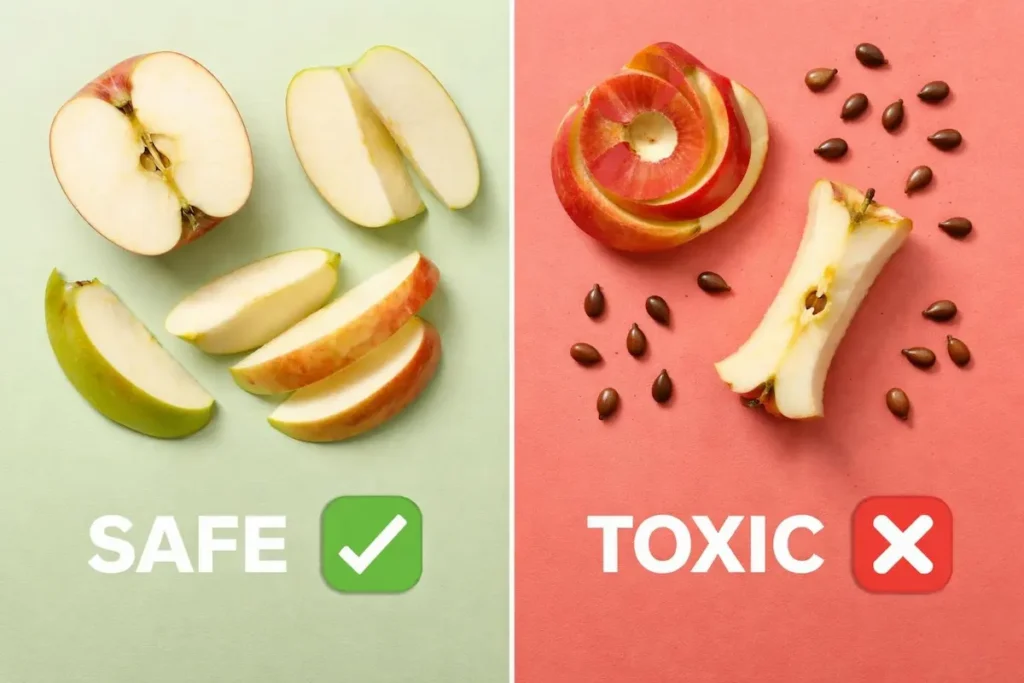
The amount in a single apple’s worth of seeds is unlikely to cause acute toxicity, but there’s no reason to include them, so removing them is simply the right call every time.
Everything else — the flesh, the skin, the juice — is safe and nutritious for dogs.
Why Apples Are Actually Good for Dogs
Apples aren’t just “safe” — they’re actively beneficial. Here’s what makes them worth adding to a dog’s diet regularly:
✅ Fiber is the headline benefit. Apples contain both soluble fiber (pectin) and insoluble fiber.
- Pectin feeds beneficial gut bacteria and supports a healthy microbiome.
- Insoluble fiber adds bulk and keeps digestion moving.
For dogs with inconsistent digestion or sensitive stomachs, a small amount of apple is a genuinely useful dietary addition.
✅ Vitamin C supports immune function and collagen production.
Dogs synthesize their own vitamin C, so it’s not technically essential in the diet — but additional dietary vitamin C provides antioxidant support that’s particularly valuable for older or highly active dogs.
✅ Vitamin A (from beta-carotene in the apple skin) supports eye health, immune function, and skin condition. Another good reason to leave the skin on when serving apple to dogs — most of the micronutrient value is concentrated there.
✅ Quercetin is a flavonoid antioxidant found in apples that has documented anti-inflammatory properties.
Some veterinary nutritionists refer to it as “nature’s antihistamine” — potentially useful for dogs with mild environmental allergies.
✅ Low calorie, high satiety makes apple a smart treat choice for dogs managing their weight. A cup of diced apple contains roughly 65 calories — significantly less than most commercial treats — while the fiber content makes it genuinely filling.
✅ Dental benefits from the crunchy texture are modest but real. The mechanical action of chewing apple slices helps reduce plaque and tartar buildup on teeth, particularly in areas commercial chews don’t reach as effectively.
It’s not a substitute for proper dental care, but it’s a useful bonus.
How Much Apple Can a Dog Eat?
Apple should follow the standard treat guideline: no more than 10% of daily caloric intake. In practical terms, that looks like:
| Small dogs | under 20 lbs | 1–2 thin slices per day |
| Medium dogs | 20–50 lbs | 2–3 slices or a few tablespoons of diced apple |
| Large dogs | 50+ lbs | Up to half a small apple per day |
Too much apple at once can cause digestive upset — the fiber content, while beneficial in appropriate amounts, becomes problematic in excess. Introduce gradually for dogs eating apple for the first time.
Which Apples Are Best for Dogs?
All common apple varieties are safe for dogs — Gala, Fuji, Honeycrisp, Granny Smith, Red Delicious, and every other variety found in a standard grocery store. The differences between varieties matter less than how the apple is prepared.
A few practical notes on variety:
- Sweeter varieties (Fuji, Gala, Honeycrisp) tend to be more immediately popular with dogs
- Tarter varieties (Granny Smith) have slightly lower sugar content — a marginal benefit for diabetic dogs
- Organic vs. conventional — washing thoroughly removes most surface pesticide residue on conventional apples; organic is preferable if cost is not a concern
What About Applesauce?
Plain, unsweetened applesauce is safe for dogs and works well in baking recipes as a moisture-adding ingredient. It’s also a useful egg substitute in dog treat recipes (3 tablespoons replaces one egg).
The key is unsweetened and unflavored — commercial applesauces often contain added sugar, cinnamon, or other additives. Always check the label and look for single-ingredient applesauce: apples only.
Apple Products to Avoid
Not all apple-derived products are dog-safe:
- Apple seeds — always remove; contain amygdalin which metabolizes to cyanide
- Apple core — tough, fibrous, and a potential choking hazard; always remove
- Sweetened applesauce — contains added sugar; avoid
- Apple juice — concentrated sugar with none of the fiber benefits; no nutritional value for dogs
- Apple pie and baked goods — contain nutmeg, cinnamon in large amounts, sugar, and often xylitol; never appropriate for dogs
- Dried apple rings (commercial) — often contain added sugar or sulfites; check labels or make dehydrated chips at home
A Note on Cinnamon
Ceylon cinnamon (true cinnamon) is safe for dogs in small amounts and appears in several apple treat recipes.
Cassia cinnamon — the variety most commonly sold in US grocery stores — contains higher levels of coumarin, which can affect liver function in large amounts.
For occasional treat recipes using a teaspoon or less, the distinction matters less. For recipes made and fed regularly, Ceylon cinnamon (available at health food stores and online) is the better choice.
When in doubt, leave it out — apple treats work perfectly well without it.
Quick Reference Guide: Apples & Dogs at a Glance
| Details | |
| Safe for dogs? | Yes — flesh and skin only |
| Remove before serving | Seeds, core, stem |
| Serving size | 1–2 slices (small dogs) up to ½ apple (large dogs) |
| Key nutrients | Fiber, vitamin C, vitamin A, quercetin |
| Best apple varieties | All common varieties; sweeter types most popular |
| Applesauce | Safe if plain and unsweetened only |
| Apple juice | Not recommended — concentrated sugar, no fiber |
| Max frequency | Daily in small amounts; follows 10% treat rule |
| Dogs to check with vet first | Diabetic dogs (natural sugar content) |
Final Thoughts
Apples and dogs are a genuinely great combination — one of those pairings where the answer to “can dogs eat apples?” is an uncomplicated yes, with straightforward preparation and a long list of actual health benefits.
Remove the seeds and core, keep portions sensible, and apples become one of the most useful and versatile ingredients in a dog parent’s treat-making toolkit.
The six recipes above cover everything from a quick frozen pop to a proper celebration pupcake — all built around one of the most accessible, affordable, and dog-friendly ingredients available.
Grab an apple, remove the core, and make something the dog will love. It genuinely doesn’t get much easier than that. 🙂