
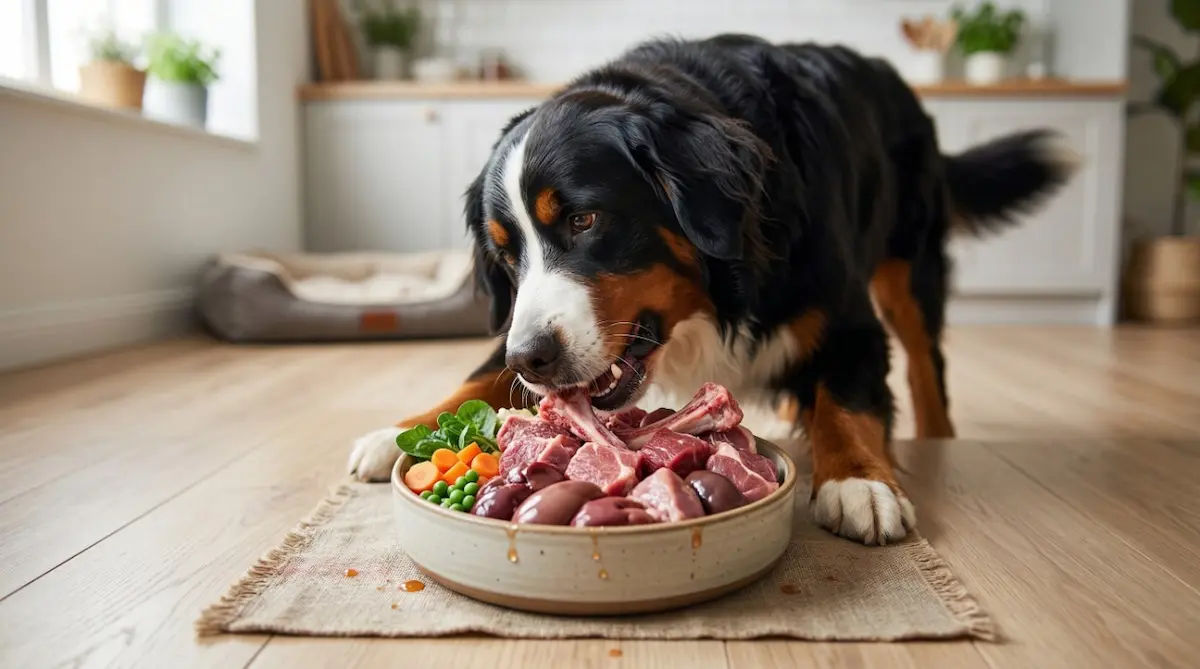
So you’ve decided to ditch the mystery-ingredient kibble and actually cook — well, not cook — for your dog.
Welcome to the club. Raw feeding can feel overwhelming at first, but once you nail your weekly meal prep routine, it becomes second nature. I promise you, watching your dog absolutely lose their mind over a bowl of real food makes every minute of prep worth it.
Why Raw Feeding Actually Works
Let’s be real — dogs didn’t evolve eating corn-heavy pellets extruded through a machine. Their digestive systems are built for raw meat, bones, and organs.
A raw food diet mimics what dogs would naturally eat in the wild, and the results speak for themselves: shinier coats, better digestion, less doggy odor (yes, really), and more energy.
IMO, the biggest shift you’ll notice within the first few weeks is stool quality. I know, not exactly dinner table conversation, but smaller, firmer stools are a genuine sign that your dog’s body is actually using the nutrients instead of flushing them out. That alone sold me on this whole lifestyle.
The raw diet also tends to reduce chronic inflammation, which is huge for dogs with allergies or joint issues. If your pup has been scratching non-stop or limping around like a grumpy old man, switching to raw might be the game-changer you’ve been looking for.
Understanding the BARF Model (No, Not That Kind)
BARF stands for Biologically Appropriate Raw Food — and it’s the gold standard framework most raw feeders follow. It takes the guesswork out of what to include in each meal.
Here’s the basic breakdown:
- 70% muscle meat — the foundation of every meal
- 10% raw edible bone — provides calcium and phosphorus
- 10% organ meat — with at least 5% being liver specifically
- 10% fruits, vegetables, and extras — for fiber, antioxidants, and variety
Stick to these ratios over the course of a week (not necessarily every single meal) and you’re building a nutritionally balanced diet. Don’t stress if Tuesday’s meal is all meat — as long as the week balances out, your dog is good.
How Much to Feed Your Dog
Before you start prepping, you need to know how much raw food your dog actually needs. The general rule is:
| Puppies | 2–3% of their expected adult body weight per day |
| Active adult dogs | 2–3% of current body weight per day |
| Senior or less active dogs | 1.5–2% of current body weight per day |
So a 50-pound adult dog needs roughly 1 to 1.5 pounds of raw food daily. Adjust based on your dog’s body condition — if their ribs are becoming too visible, feed more; if they’re rocking a little extra cushion, dial it back.
Your Weekly Raw Meal Prep Plan
Here’s where the fun starts. Weekly batch prepping saves you time, money, and the daily hassle of figuring out what to feed. Set aside 1–2 hours on a Sunday and you’re sorted for the entire week. Here’s how to structure it.
What You’ll Need Before You Start
Get these tools ready before you touch any meat:
- A large cutting board (dedicated for raw pet food prep)
- Sharp butcher’s knife or kitchen shears
- Kitchen scale
- Freezer-safe containers or zip-lock bags
- Gloves (optional but worth it)
- A chest freezer if you’re prepping in bulk
Hygiene matters here. Wash everything thoroughly after prep and keep your dog’s food prep area separate from your own. This isn’t paranoia — it’s just smart practice.
Day 1–2: Chicken-Based Meals
Chicken is the best starting protein for raw feeding beginners — it’s affordable, widely available, and most dogs tolerate it well.
Recipe: Chicken and Veggie Base
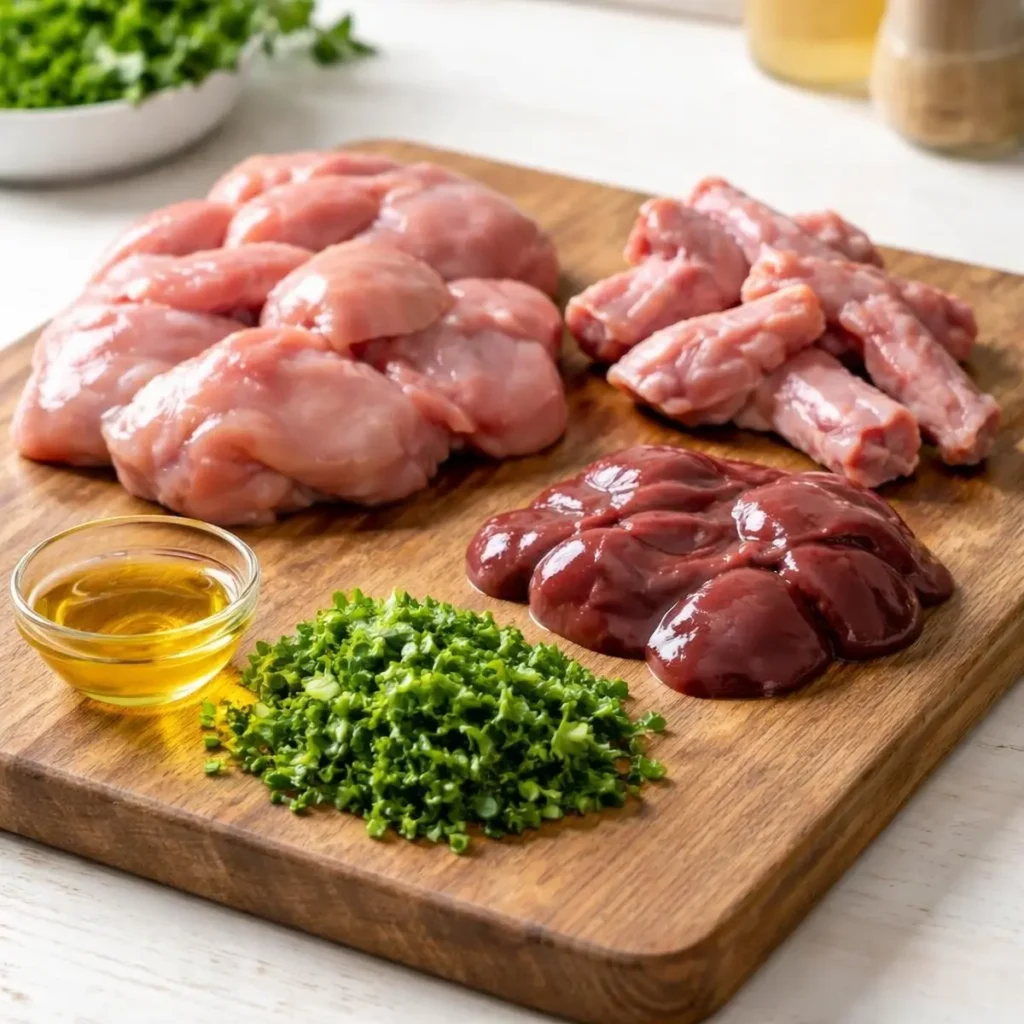
- 1 lb chicken thighs (boneless, for muscle meat)
- 0.2 lb chicken necks or wings (raw edible bone)
- 2 oz chicken liver
- 1 oz mixed leafy greens (blended or finely chopped)
- 1 tsp fish oil
Portion this into daily serving sizes based on your dog’s weight requirements, bag them up, and freeze. Pull one out the night before to thaw in the fridge. Easy.
Why chicken necks? They’re soft enough for most dogs to crunch through safely, and they deliver excellent calcium content. Just never feed cooked bones — those splinter and cause serious harm.
Day 3–4: Beef-Based Meals
Beef is nutrient-dense and protein-rich, making it a fantastic mid-week option. Ground beef works well for dogs transitioning to raw since the texture is familiar and easy to digest.
Recipe: Beef and Organ Mix
- 1 lb ground beef (80/20 fat ratio)
- 2 oz beef liver
- 1 oz beef kidney
- 1 oz finely grated carrot or zucchini
- Optional: a small dollop of plain canned pumpkin for fiber
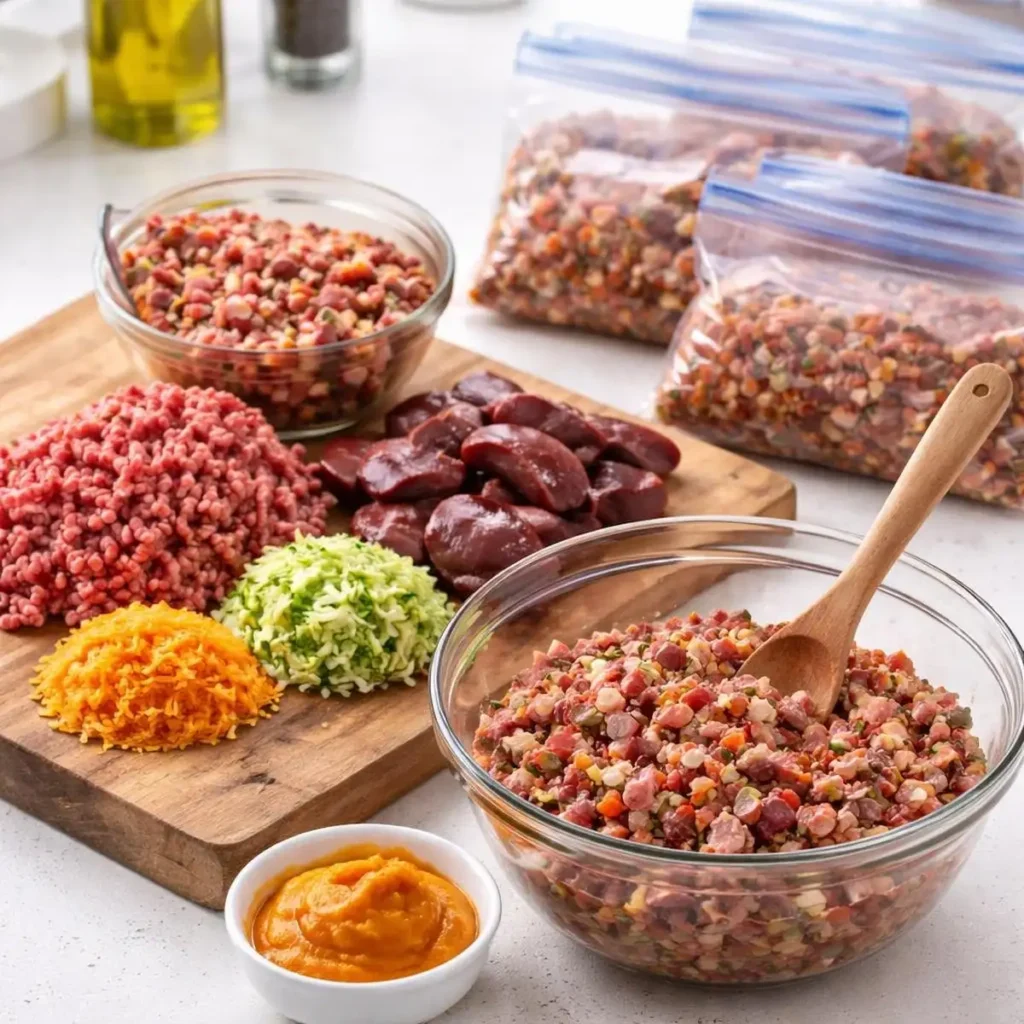
Mix everything together, portion it out, and freeze in meal-sized bags. Beef liver is incredibly nutrient-dense, so don’t go overboard — too much liver causes loose stools. Ask me how I know. :/
Day 5–6: Turkey or Pork-Based Meals
Rotating proteins is a core principle of raw feeding. Variety prevents nutritional deficiencies and keeps your dog excited about mealtime — because yes, dogs absolutely notice when it’s the same thing every day.
Recipe: Turkey and Green Blend
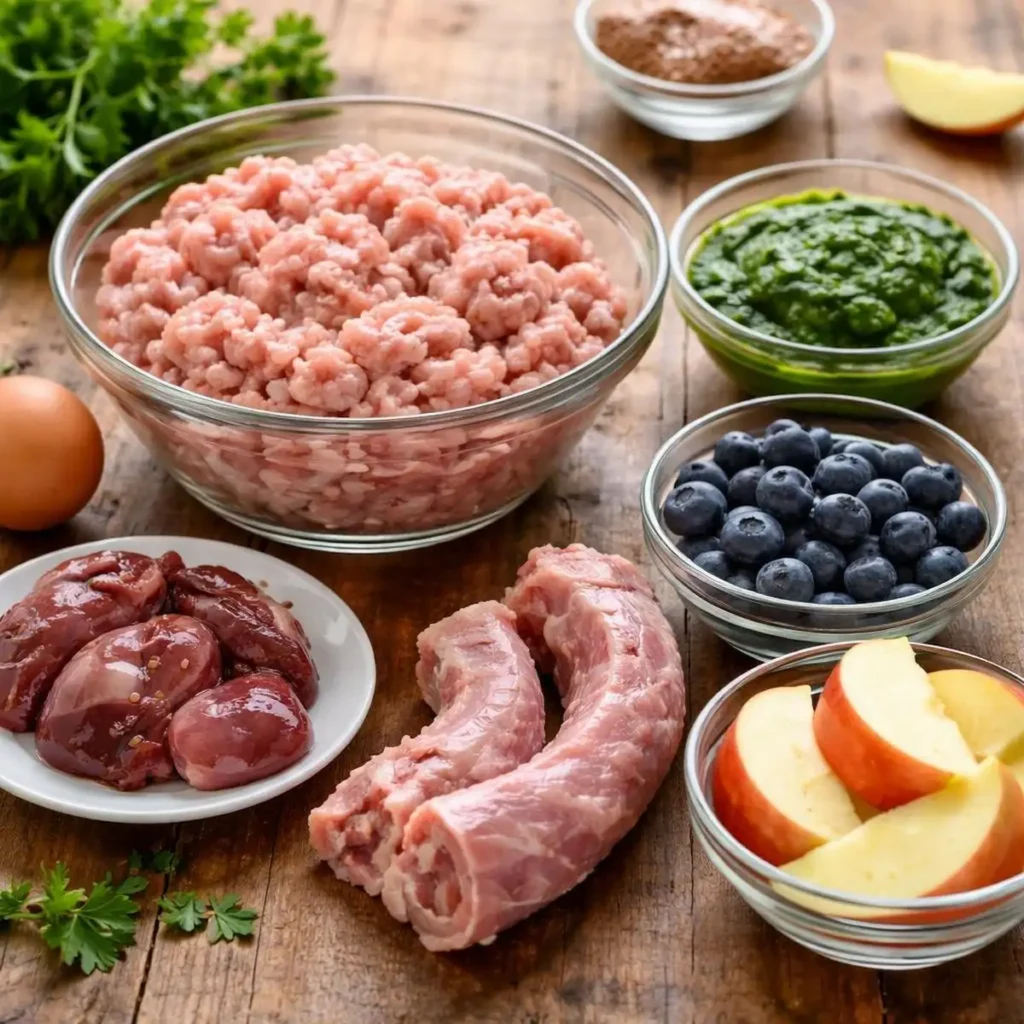
- 1 lb ground turkey
- 2 oz turkey liver or heart
- 1 oz raw turkey neck (ground or whole depending on dog size)
- 1 oz blended spinach, blueberries, or apple (no seeds)
- Optional: small amount of raw egg with shell (great calcium source)
Turkey is leaner than beef, making it ideal if your dog tends to gain weight easily. Pork is a solid alternative — just make sure it’s plain, unseasoned, and never from processed products like ham or bacon.
Day 7: Fish Day
Yes, fish day is a thing, and your dog will probably love you for it. Fatty fish like sardines, mackerel, and salmon are rich in omega-3 fatty acids, which support coat health, brain function, and joint mobility.
Recipe: Fish and Veggie Bowl
- Whole sardines in water (canned, no salt added) — about 3–4 sardines for a medium dog
- Or 1 lb raw salmon (freeze for 3 weeks before feeding to eliminate parasites)
- 1 oz raw spinach or kelp powder
- 1 tsp coconut oil

Fish meals work great as a once or twice-weekly addition rather than a daily protein.
💡 FYI, if you use raw salmon, always freeze it first — this eliminates the risk of salmon poisoning, which is a genuine danger in Pacific Northwest salmon especially.
Supplements Worth Adding
A well-rotated raw diet covers most nutritional bases, but a few supplements make the diet even more complete.
Here’s what I personally add:
- Fish oil or sardine oil — for omega-3s (especially if not feeding fish regularly)
- Kelp or sea vegetables — natural iodine source for thyroid support
- Raw goat’s milk or kefir — excellent probiotic for gut health
- Vitamin E — balances out the oxidative effects of omega-3s
- Zinc and Vitamin D — especially important in low-sunlight seasons
You don’t need to supplement every single meal. Rotate these into the weekly prep and you’re covering all your bases without overcomplicating things.
Foods to Absolutely Avoid
This section isn’t optional reading — these foods can seriously harm or kill your dog, so memorize this list:
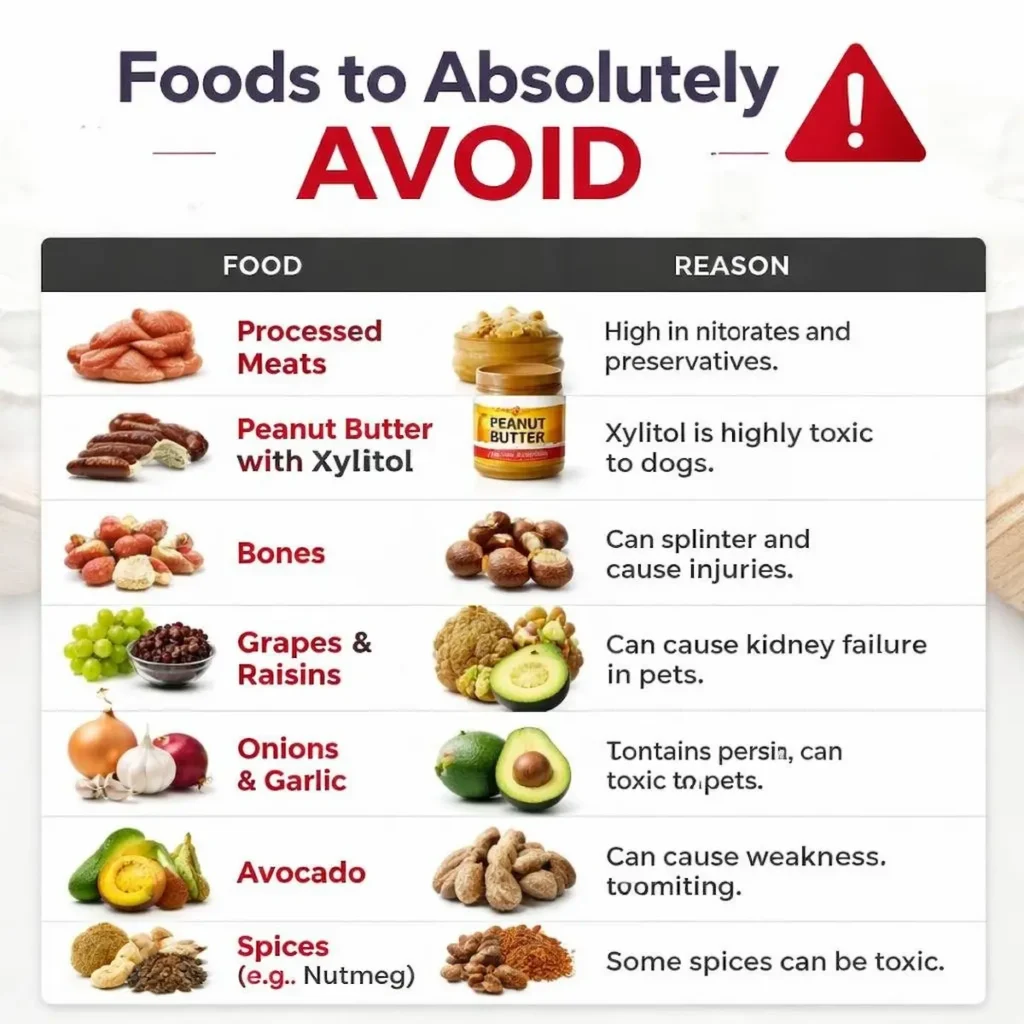
- Onions and garlic — toxic to dogs even in small amounts
- Grapes and raisins — can cause acute kidney failure
- Avocado — toxic to dogs (leave the guac for yourself)
- Macadamia nuts — cause muscle weakness and tremors
- Xylitol — found in many peanut butters; extremely toxic
- Cooked bones of any kind — splinter and can cause internal injuries
- Raw pork that hasn’t been frozen — trichinosis risk
- Nutmeg and certain spices — even a little can cause neurological issues
When in doubt, leave it out. Your dog doesn’t need seasoning or fancy extras — they’re perfectly happy with plain, species-appropriate food.
Storing and Freezing Like a Pro
Proper storage is what makes or breaks your weekly prep. Raw meat stays fresh in the fridge for 2–3 days max, so freeze everything beyond that immediately after prepping.
Here’s a storage system that works well:
- Label every bag with the protein type and date
- Keep a 3-day supply in the fridge and the rest in the freezer
- Thaw meals overnight in the fridge — never on the counter at room temperature
- Use airtight containers or vacuum-sealed bags to prevent freezer burn
- Invest in a chest freezer if you buy meat in bulk — it pays for itself fast
A lot of raw feeders buy meat in bulk from local farms, ethnic grocery stores, or restaurant supply stores. The cost per pound drops significantly, and you often get access to organ meats that regular supermarkets don’t carry.
Transitioning Your Dog to Raw
Going cold turkey (pun intended) can upset your dog’s stomach. Most vets and raw feeders recommend a gradual transition over 7–14 days.
Here’s a simple transition plan:
- Days 1–3: Replace 25% of your dog’s current food with raw
- Days 4–6: Go 50/50 — half current food, half raw
- Days 7–10: Replace 75% with raw
- Days 11–14: Full raw diet
Watch for loose stools, vomiting, or lethargy during the transition. A little digestive upset is normal — your dog’s gut bacteria are adjusting. But if symptoms persist beyond a week, slow the transition down and consider adding raw goat’s milk as a probiotic support.
Common Raw Feeding Myths — Busted
Ever heard someone say raw feeding is too dangerous or nutritionally incomplete? Let’s clear a few things up.
Myth 1️⃣: Raw food is full of dangerous bacteria.
Dogs have short, highly acidic digestive tracts designed to handle raw meat. Healthy dogs process bacteria like salmonella far more efficiently than humans do. Practice good hygiene during prep and you’re fine.
Myth 2️⃣: It’s too expensive.
Raw feeding costs vary wildly depending on your sourcing. Buying in bulk from local farms or ethnic grocery stores can make raw feeding comparable in cost to mid-to-high-end kibble. The savings on vet bills from better health can also offset the cost over time.
Myth 3️⃣: You need a vet-formulated recipe every meal.
Variety and balance over time is the actual goal. No single meal needs to be perfectly complete — the week as a whole does. Keep rotating proteins, include organs, add bones, throw in some veggies, and you’re doing great.
Wrapping It Up
Raw feeding isn’t some extreme fringe lifestyle — it’s just feeding your dog in a way that respects their biology. Start with the BARF ratios, rotate your proteins, prep in bulk on Sundays, and store everything properly. You’ll save time, reduce stress, and give your dog genuinely better nutrition.
The first few weeks might feel a bit chaotic, but you’ll find your rhythm quickly. And the moment your dog starts looking at their bowl like it’s the greatest gift ever bestowed upon them — you’ll know you made the right call.
Now go prep that food and let your dog live their best life. 🙂