Your grey-muzzled buddy just knocked over the water bowl for the third time today, and you notice they’re moving a bit slower up the stairs. Welcome to the senior dog club—where nap times triple and vet visits become your new favorite hobby (said no one ever).
But here’s the thing: caring for an aging pup doesn’t have to feel overwhelming. With the right approach to food, health monitoring, and comfort adjustments, those golden years can truly be golden.
Understanding When Your Dog Becomes a “Senior”
Here’s where things get a bit confusing. Not all dogs hit their senior years at the same age, and size plays a huge role in this timeline.
| Giant breeds like Great Danes or Mastiffs? They’re considered seniors around 5-6 years old. Yeah, that seems ridiculously unfair, doesn’t it? Meanwhile, small breeds like Chihuahuas or Yorkshire Terriers don’t typically reach senior status until they’re around 10-12 years old. Medium and large breeds fall somewhere in between, usually around 7-8 years. |
The point is simple: knowing when your dog officially becomes a senior helps you make timely adjustments to their care routine.
Most vets recommend increasing check-up frequency once your dog crosses that threshold. Think of it as preventative maintenance—catching issues early makes a massive difference in quality of life.
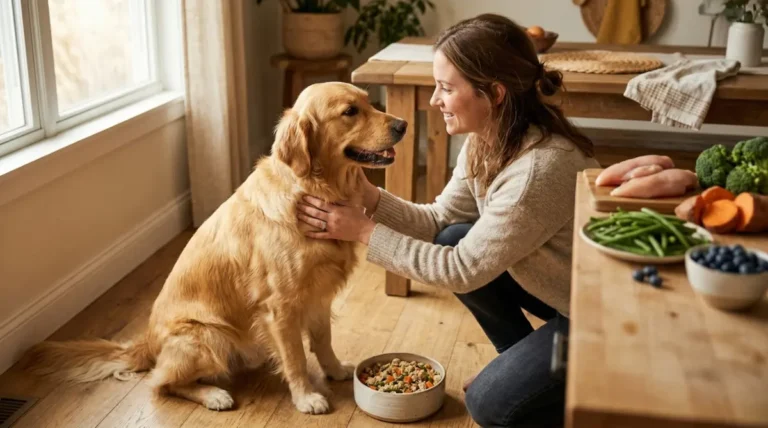
Feeding Your Senior Dog: It’s Not Just About Less Food
Let’s talk about food, because this is where many dog owners get tripped up. The common assumption? Just feed them less because they’re moving around less. Wrong. Well, partially wrong 🙂
Caloric Needs Change (But Not Always Downward)
Senior dogs often need fewer calories because their metabolism slows down and they’re not burning energy like they used to. But some seniors actually need more nutrient-dense food because their bodies don’t absorb nutrients as efficiently anymore.
❓Ever wondered why your older dog seems pickier about food? Their sense of smell and taste diminishes with age, making meals less appealing. This means you might need to get creative with food presentation and temperature to keep them interested.
What Should Be In Their Bowl?
Here’s what matters in senior dog nutrition:

✔️ High-quality protein is non-negotiable. Contrary to outdated beliefs, older dogs need plenty of protein to maintain muscle mass. Look for foods with real meat as the first ingredient—not meat by-products or fillers.
✔️ Lower phosphorus levels help protect aging kidneys. Many senior-specific formulas already account for this, but it’s worth checking the label.
✔️ Joint-supporting ingredients like glucosamine and chondroitin become increasingly important. Think of these as an insurance policy for their mobility.
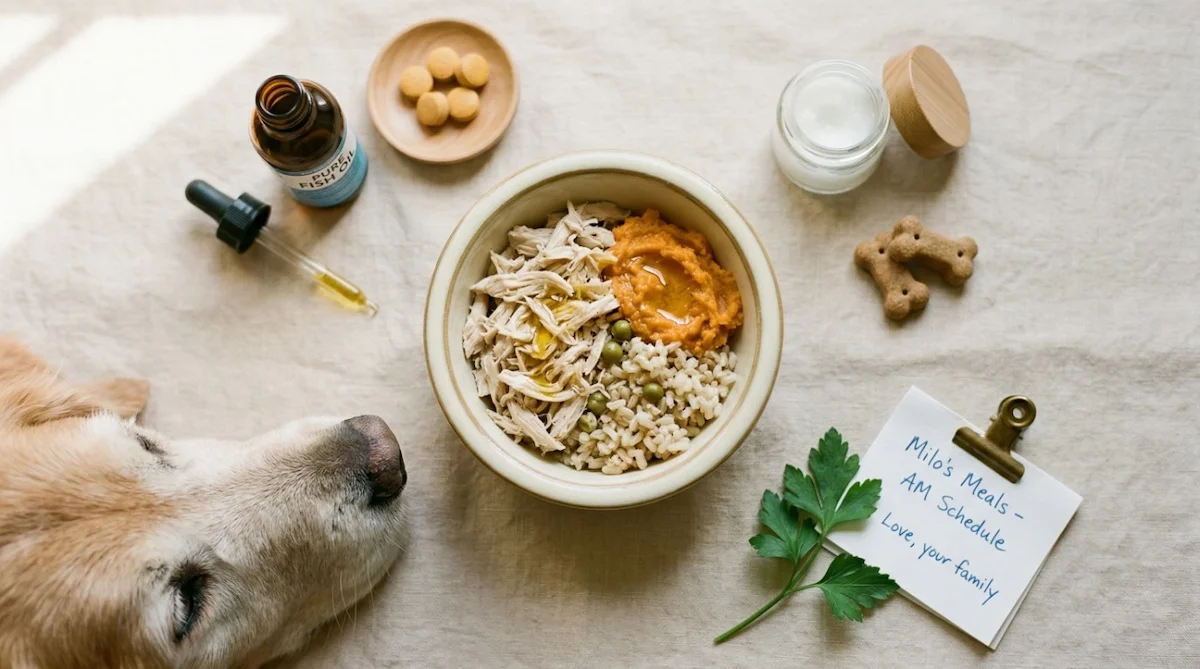
✔️ Omega-3 fatty acids (usually from fish oil) help with everything from joint inflammation to cognitive function. Plus, they make your dog’s coat look amazing—vanity doesn’t retire with age.
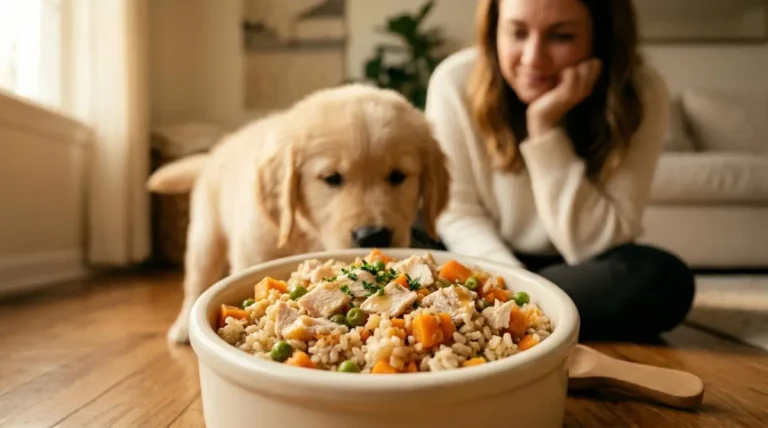
✔️ Easily digestible ingredients matter because senior digestive systems aren’t what they used to be. Sweet potatoes, rice, and oatmeal are gentler on older stomachs than corn or wheat fillers.
Wet vs. Dry Food Debate
Some senior dogs struggle with dry kibble due to dental issues or reduced jaw strength. Mixing wet food with kibble or adding warm water to soften it makes eating easier and more enjoyable. Plus, the extra moisture helps with hydration—something seniors need more of anyway.
FYI, many owners find success with slightly warmed food because it releases more aroma and tempts picky eaters.
Health Monitoring: Becoming a Detective
Older dogs can’t tell you when something hurts or feels off, so you’ve got to become part detective, part veterinarian (without the student loans).
Schedule Regular Vet Visits
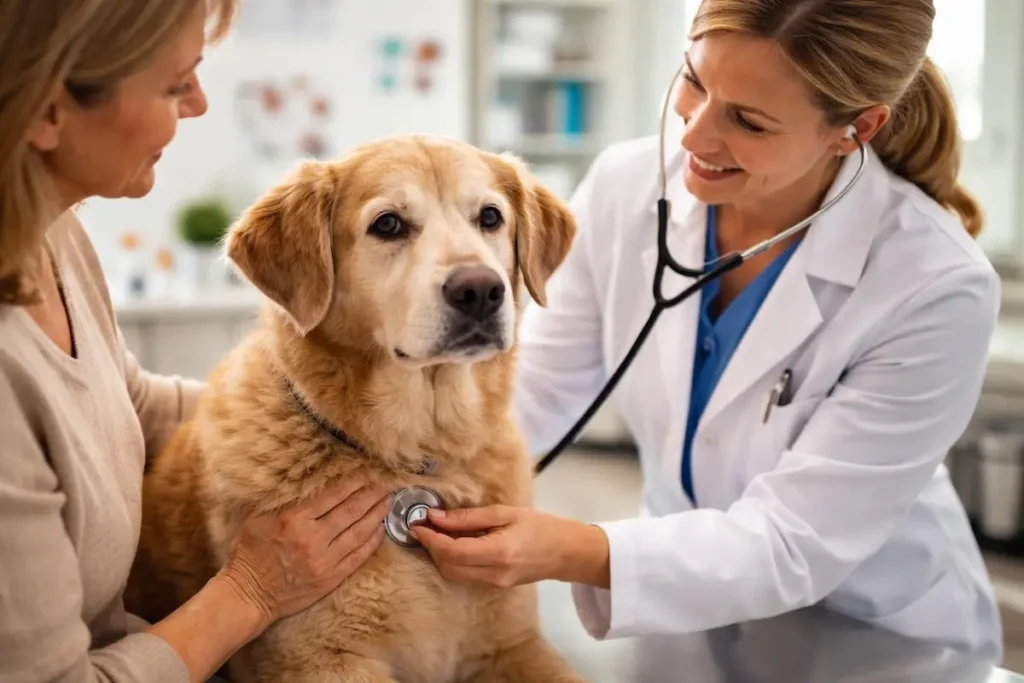
Once your dog hits senior status, twice-yearly vet check-ups become the standard instead of annual visits. Yeah, it’s more expensive and time-consuming, but catching issues like kidney disease, diabetes, or cancer early dramatically improves outcomes.
During these visits, your vet should conduct:
- Complete physical examination
- Blood work panels (checking organ function)
- Urinalysis
- Blood pressure monitoring
- Weight and body condition assessment
Watch for Behavioral Changes
Your dog’s behavior tells a story. Sudden changes often signal underlying health problems:
🔸 Increased drinking and urination might indicate diabetes or kidney issues. If you’re refilling that water bowl constantly and taking more midnight bathroom breaks, mention it to your vet.
🔸 Reduced activity or reluctance to move could mean arthritis pain, not just “normal aging.” Dogs are stoic creatures who hide discomfort remarkably well.
🔸 Changes in appetite —whether eating less or suddenly becoming ravenous—warrant investigation. Weight loss in seniors can happen quickly and indicates various health issues.
🔸 Confusion or disorientation might signal canine cognitive dysfunction (basically doggy dementia). If your old friend seems lost in familiar places or stares at walls, it’s time for a vet conversation.
🔸 Excessive panting or coughing shouldn’t be ignored. Heart disease becomes more common in senior dogs, and these symptoms serve as red flags.
Dental Health Matters More Than You Think
Here’s something many people overlook: dental disease affects overall health, not just breath quality. Bacteria from infected gums can enter the bloodstream and damage the heart, liver, and kidneys.
Senior dogs need regular dental care, which might include:
- Professional cleanings under anesthesia (yes, even older dogs can safely undergo anesthesia with proper monitoring)
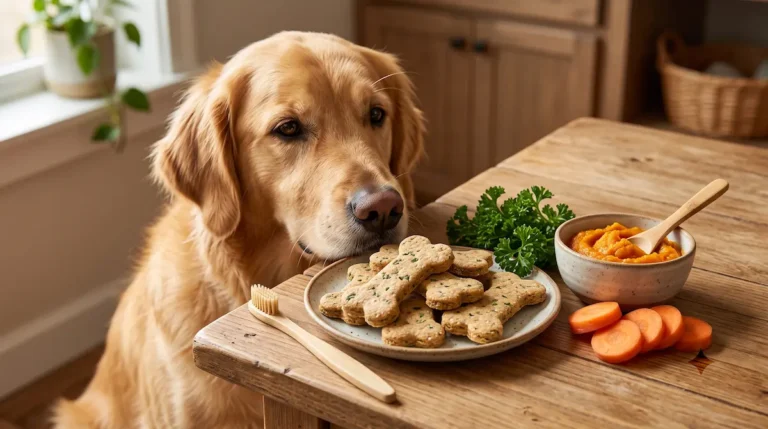
- Daily tooth brushing at home (good luck with that, but it’s worth trying)
- Dental chews or water additives designed to reduce plaque
Ignoring dental health creates a cascade of problems that significantly impact quality of life.
Comfort Adjustments: Making Life Easier
Your senior pup deserves to live comfortably, and small environmental changes make a huge difference.
Bedding and Sleep Areas
Older dogs sleep more—sometimes up to 18-20 hours daily. They need orthopedic beds that support achy joints and provide cushioning for bony pressure points.
Memory foam beds designed specifically for dogs work wonders. Place them in quiet, warm areas away from drafts. Many seniors appreciate having multiple sleeping spots throughout the house so they don’t have to travel far to rest.
Mobility Aids and Modifications
Stairs become enemy number one for arthritic dogs. Solutions include:
✅ Ramps for furniture or cars make access easier without stressing joints. You can buy them or build simple DIY versions.
✅ Non-slip flooring helps tremendously. Hardwood and tile floors turn into skating rinks for dogs with reduced grip strength. Yoga mats, carpet runners, or specialized pet floor mats provide traction.
✅ Harnesses with handles let you support your dog’s weight during walks or when navigating stairs. It beats awkwardly trying to lift them by their collar.
✅ Raised food and water bowls reduce neck strain during meals. This seems like a small thing, but it genuinely improves comfort for dogs with arthritis.
Managing Pain and Arthritis
IMO, pain management is one of the most important aspects of senior dog care. Untreated pain diminishes quality of life faster than almost anything else.
Your vet might recommend:
- NSAIDs (non-steroidal anti-inflammatory drugs) specifically formulated for dogs
- Supplements like glucosamine, chondroitin, and MSM
- CBD products (gaining popularity and showing promising results for many dogs)
- Physical therapy or underwater treadmill sessions
- Acupuncture (yes, really—many dogs respond well to this)
Never give your dog human pain medications without veterinary approval. Many common drugs like ibuprofen are toxic to dogs.
Exercise: Less Intense, Still Essential
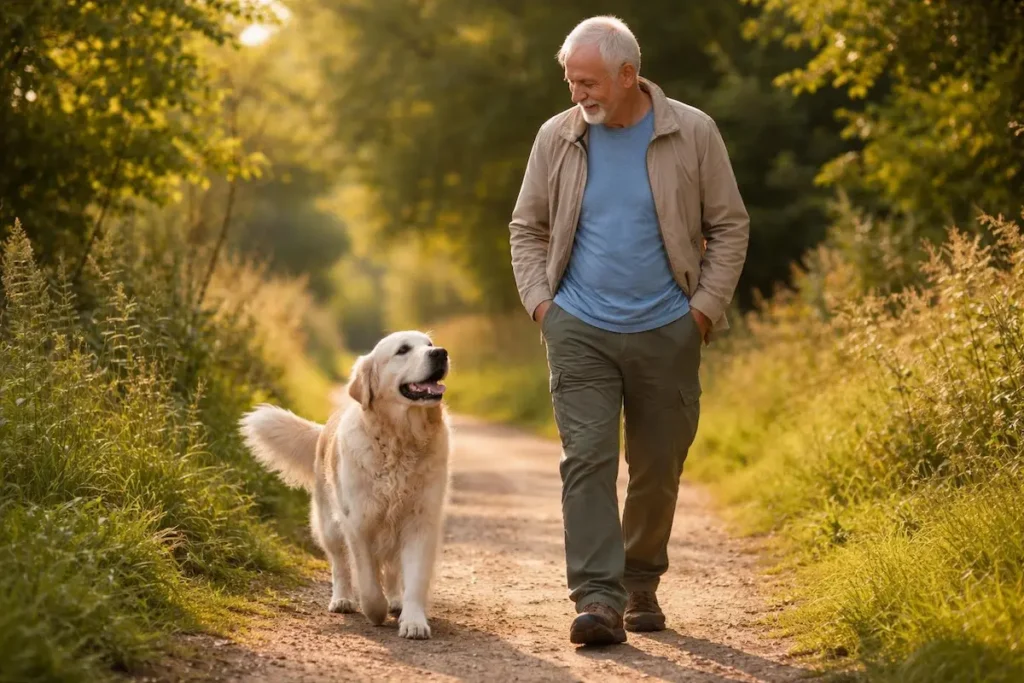
Just because your dog can’t run five miles anymore doesn’t mean exercise stops. Senior dogs need regular, moderate activity to maintain muscle mass, joint flexibility, and mental stimulation.
Adjusting Exercise Routines
✅ Shorter, more frequent walks work better than long excursions. Three 15-minute walks beat one 45-minute trek that leaves your dog exhausted and sore.
✅ Swimming or hydrotherapy provides low-impact exercise that’s easier on joints while building strength.
✅ Gentle play sessions keep them engaged without overdoing it. Slow-paced fetch or hide-and-seek with treats stimulates both body and mind.
✅ Sniff walks where your dog sets the pace and stops to smell everything might not look like exercise, but mental stimulation tires dogs out too. Plus, it respects their changing abilities.
Watch for signs your dog needs a break: excessive panting, lagging behind, or lying down mid-walk. Learn their limits and respect them.
Mental Stimulation: Use It or Lose It
Cognitive decline happens in dogs just like humans. Keeping your senior dog mentally engaged helps slow this process.
✅ Puzzle toys that dispense treats challenge their brain and provide entertainment. Start with easier puzzles and adjust difficulty based on their abilities.
✅ Training sessions with new tricks or commands keep neurons firing. Yes, you can teach an old dog new tricks—they might just need more repetition and patience.
✅ Scent games tap into their strongest sense. Hide treats around the house and let them hunt. This provides mental workout and entertainment.
✅ Social interaction with other calm, friendly dogs or new (gentle) people keeps them engaged with the world.
Special Considerations for Common Senior Dog Issues
Incontinence
Bladder control issues frustrate both dogs and owners. Older dogs might leak urine while sleeping or not make it outside in time.
Solutions include:
- Waterproof bedding and washable pee pads
- More frequent bathroom breaks
- Medications that improve bladder sphincter control
- Doggy diapers for severe cases (they exist and work surprisingly well)
Never punish your senior dog for accidents. It’s not behavioral—it’s medical.
Vision and Hearing Loss
Many senior dogs experience declining senses. If your dog seems less responsive or startles easily, they might not hear or see you approaching.
🔸 For vision loss:
- Keep furniture in the same places
- Use scent markers to help them navigate
- Talk to them more so they know where you are
- Add textured rugs to help them identify different rooms
🔸 For hearing loss:
- Use hand signals for commands
- Stomp the floor to create vibrations announcing your presence
- Keep them on leash in unfamiliar areas for safety
Creating a Senior Dog Care Schedule
Organization helps ensure you’re covering all bases. Here’s a practical framework:
- Weight monitoring (sudden changes matter)
- Nail length check
- Ear cleaning if needed
- Medications at consistent times
- Gentle exercise appropriate to their ability level
- Mental stimulation activities
- Check for lumps, bumps, or changes during petting sessions
- Thorough body examination for new lumps or changes
- Review medication effectiveness with observations
- Comprehensive vet check-up with blood work
The Bottom Line on Senior Dog Care
Caring for a senior dog requires more attention, time, and probably money than those energetic puppy years. But here’s what you get in return: deeper bonds, quieter companionship, and the satisfaction of providing comfort to a loyal friend who’s given you years of love.
Your senior dog isn’t broken or defective—they’re just entering a different life stage that needs adjustments. With the right food, proactive health monitoring, comfort modifications, and continued mental and physical engagement, those grey-muzzle years can be wonderful for both of you.
Besides, where else are you going to find someone who thinks your couch-sitting hobby is the absolute pinnacle of existence? Senior dogs are basically professional cuddlers who occasionally get up for snacks. Sounds like a pretty good life, if you ask me.