Looking for a dog bad breath remedy that does more than cover up the smell for five minutes?
Start with the cause.
Persistent bad breath is often one of the first noticeable signs of dental disease in dogs. A healthy mouth should not have a strong odor, so ongoing “doggy breath” deserves more attention than a minty treat or spoonful of coconut oil.
The most effective approach combines regular tooth brushing, appropriate dental products, veterinary care when needed, and occasional homemade treats that support—not replace—your dog’s oral-care routine.
Quick answer: The best at-home remedy for ordinary dog breath is daily brushing with dog-safe toothpaste. If the odor is new, severe, or accompanied by red gums, tartar, drooling, pain, or difficulty eating, schedule a veterinary dental exam before trying home remedies.
Important: This guide is for general education and is not a substitute for veterinary diagnosis or treatment.
🦷 Why Does My Dog Have Bad Breath?
Most cases of persistent bad breath begin in the mouth.
Plaque is a sticky film containing bacteria that forms on the teeth. Without regular cleaning, plaque can contribute to inflamed gums, tartar buildup, periodontal pockets, pain, loose teeth, and eventual tooth loss.
Bad breath is one of the common signs of this process. Other possible causes include:
Dental and gum disease
This is the most common explanation for ongoing bad breath. Look for yellow or brown buildup, red gums, bleeding, loose teeth, excessive drooling, or reluctance to chew.
Something stuck in the mouth
Small pieces of sticks, bone, hair, plant material, or other debris can become trapped between the teeth or along the gumline.
Diet
Fish-based foods and strongly scented ingredients can temporarily change your dog’s breath. Scavenging from trash, litter boxes, compost, or animal waste can also be responsible.
Medical conditions
Breath that smells unusually sweet may be associated with diabetes, while an ammonia-like smell can occur with kidney disease.
A sudden change in breath—especially when accompanied by increased thirst, vomiting, weight loss, lethargy, or appetite changes—requires veterinary attention.
🏠 When Is a Home Remedy Appropriate?
At-home care may be reasonable when:
- The odor is mild.
- Your dog is eating and behaving normally.
- The gums are pink rather than swollen or bleeding.
- There is no obvious heavy tartar, broken tooth, swelling, or mouth pain.
- Your veterinarian has not identified an underlying medical problem.
Home remedies cannot remove hardened tartar or treat infection below the gumline. Once significant dental disease is present, a professional veterinary dental cleaning and oral examination may be necessary.
🐾 7 Safe Dog Bad Breath Remedies
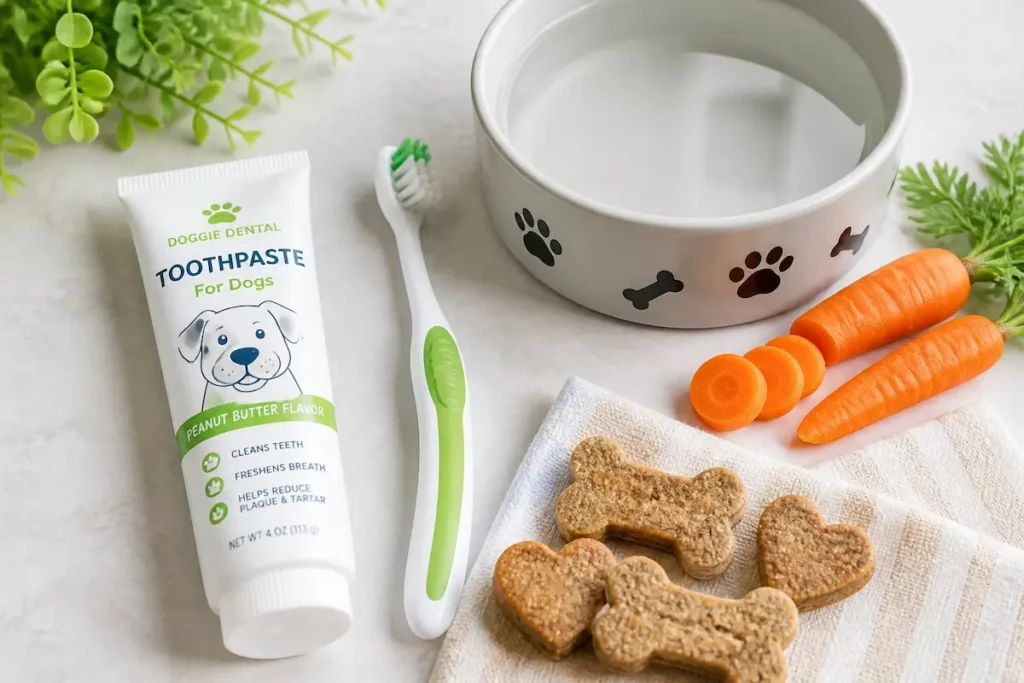
1. Brush Your Dog’s Teeth Daily
Regular brushing is the most effective home-care step for reducing plaque buildup.
Use:
- A soft dog toothbrush or silicone finger brush
- Toothpaste formulated specifically for dogs
- Gentle circular movements along the outside surfaces of the teeth
Never use human toothpaste. Some human dental products contain xylitol, also called birch sugar, which is highly toxic to dogs.
Start slowly if your dog is new to brushing. Let them lick a little dog toothpaste from your finger, then introduce the brush over several short sessions.
Brushing every day provides the greatest benefit. Brushing several times per week is still better than doing nothing, but consistency matters.
2. Check Your Dog’s Mouth
Once a week, gently lift your dog’s lips and look for:
- Yellow or brown tartar
- Red or swollen gums
- Bleeding
- Broken or loose teeth
- Objects caught between the teeth
- Lumps or unusual sores
- Excessive saliva
- Pain when the mouth is touched
Do not try to scrape tartar off at home. Dental instruments can damage the enamel, injure the gums, or cause pain.
Contact your veterinarian if your dog resists having the mouth examined, paws at the face, drops food, chews on one side, or appears uncomfortable.
3. Choose a VOHC-Accepted Dental Product
Dental chews, dental diets, water additives, toothpastes, wipes, and oral gels vary widely in effectiveness.
The Veterinary Oral Health Council awards its Seal of Acceptance to products that meet established standards for helping control plaque or tartar. Choosing a correctly sized product carrying the VOHC seal is a more reliable option than relying on marketing phrases such as “natural dental care.”
Always supervise chewing and choose a product appropriate for your dog’s age, weight, chewing habits, and dental condition.
4. Keep Food and Water Bowls Clean
Saliva, food particles, and moisture can leave a film inside bowls. Wash food bowls after meals and refresh the water bowl daily.
Stainless steel and dishwasher-safe ceramic bowls are usually easier to clean thoroughly than heavily scratched plastic bowls.
Fresh water also helps rinse loose food particles from the mouth, although drinking water alone cannot prevent dental disease.
5. Use Crunchy Produce as an Occasional Treat
Dog-safe pieces of carrot or apple can provide a satisfying crunch and are often lower in fat than many commercial treats.
However, carrots and apples should be viewed as snacks—not toothbrushes. They will not clean below the gumline or remove existing tartar.
Remove apple seeds and the core, cut pieces to an appropriate size, and supervise your dog while eating. Dogs that gulp food, have damaged teeth, or have difficulty chewing may need softer alternatives.
6. Review Your Dog’s Diet
When a dental examination does not explain the odor, discuss your dog’s diet and digestive health with your veterinarian.
Food intolerance, scavenging, digestive upset, or a strongly scented diet may influence breath. Avoid making abrupt diet changes solely to treat bad breath, particularly if your dog has a sensitive stomach or medical condition.
Plain yogurt or kefir may be suitable as an occasional treat for some dogs, but dairy can cause digestive upset in lactose-sensitive dogs. Always choose plain, unsweetened products containing no xylitol or artificial sweeteners.
7. Schedule Professional Dental Care When Needed
Brushing removes soft plaque but cannot remove hardened tartar or clean infected areas beneath the gumline.
A complete veterinary dental procedure may include an oral examination, dental X-rays, scaling above and below the gumline, polishing, periodontal probing, and treatment or extraction of damaged teeth.
Anesthesia-free cosmetic scaling only removes visible material above the gums and cannot fully diagnose or treat periodontal disease below them.
💡 You might be interested:
Homemade Dog Breath Treats: What They Can and Cannot Do
Homemade treats can be a fun addition to your dog’s routine. They may temporarily make the mouth smell fresher or provide an alternative to strongly scented treats.
They cannot:
- Cure periodontal disease
- Remove established tartar
- Treat a tooth-root infection
- Replace daily brushing
- Replace professional dental care
For the recipes below, introduce new ingredients gradually and count the treats as part of your dog’s daily food intake.
A Note About Parsley
Only use a small amount of curly parsley.
Avoid Italian or flat-leaf parsley, spring parsley, parsley oils, and concentrated herbal extracts unless your veterinarian specifically approves them. Curly parsley should still be offered sparingly rather than used as a large daily supplement.
🦴 5 Homemade Dog Breath Treats to Support Fresher Breath
Homemade treats can be a fun addition to your dog’s oral-care routine, but they should not replace regular tooth brushing, veterinary dental exams, or professional cleaning when needed.
Introduce new ingredients gradually, serve treats in moderation, and adjust the portion to your dog’s size and dietary needs.

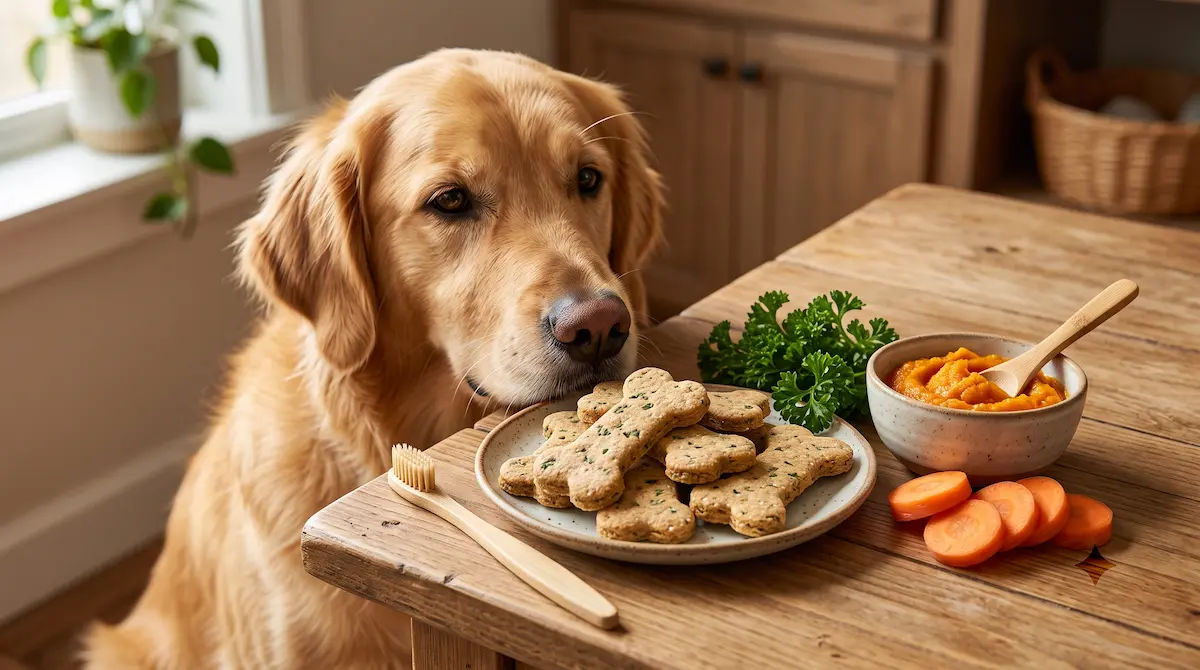
1. Curly Parsley and Pumpkin Crunch Biscuits
Made with pumpkin, oat flour, and a small amount of finely chopped curly parsley, these crunchy baked biscuits are an easy option for dogs that enjoy traditional homemade treats.
Their firm texture provides a satisfying chew, while the mild parsley aroma may help temporarily freshen your dog’s breath.
2. Carrot and Apple Crunch Treats
These naturally sweet biscuits combine finely grated carrot with unsweetened applesauce for a dog-friendly crunchy snack.
They are a simple alternative to strongly scented commercial treats, but they should still be served alongside regular brushing rather than used as a dental-cleaning replacement.
3. Pumpkin and Coconut Mini Biscuits
Pumpkin and a small amount of coconut oil create soft-flavored mini biscuits that are easy to portion for dogs of different sizes.
Because coconut oil is high in fat and calories, these treats are best offered occasionally and may not be suitable for dogs following a veterinarian-prescribed low-fat diet.
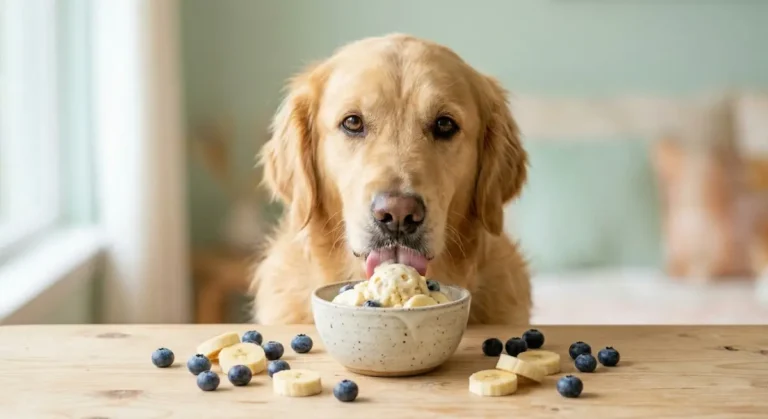
4. Apple and Yogurt Frozen Bites
Plain Greek yogurt, unsweetened applesauce, and pumpkin make these frozen bites a refreshing option for warm days.
Choose yogurt containing no added sugar, xylitol, or artificial sweeteners, and skip this recipe if dairy tends to upset your dog’s stomach.
5. Pumpkin and Kefir Frozen Bites
These two-ingredient frozen treats combine plain, unsweetened kefir with pumpkin for a quick homemade snack. Introduce kefir gradually and stop serving it if your dog develops gas, loose stool, or other signs of digestive discomfort.
Looking for more homemade options? Explore all 12 homemade dog breath treats, including baked, no-bake, and frozen recipes.
⚠️ Ingredients to Avoid in Homemade Breath Remedies
Human toothpaste
It may contain xylitol or other ingredients that are unsafe for dogs. Always use dog-specific toothpaste.
Essential oils and concentrated mint products
Do not put peppermint oil, mint extract, tea tree oil, or other essential oils in your dog’s mouth, food, or water.
Concentrated essential oils can cause adverse effects, and the ASPCA lists garden mint as capable of causing vomiting and diarrhea with large ingestion.
Undiluted apple cider vinegar
Do not rub apple cider vinegar on the teeth or gums. Adding it to water can also make some dogs drink less. Use a veterinary dental water additive instead when your veterinarian recommends one.
Italian or flat-leaf parsley
For homemade dog treats, use only a very small quantity of curly parsley. Avoid concentrated parsley products and other parsley varieties unless approved by your veterinarian.
Bones, antlers, and extremely hard chews
Products that are too hard can fracture teeth. Select appropriately sized dental products and supervise your dog while chewing.
🚨 When to Call Your Veterinarian
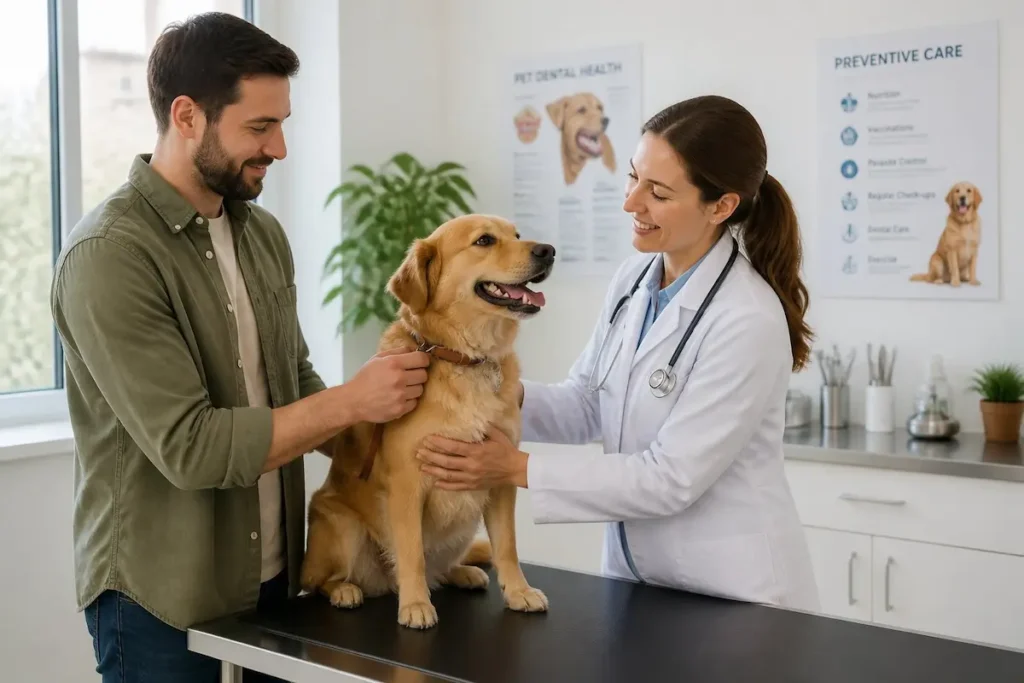
⚠️ Schedule a veterinary appointment if:
- The bad breath appeared suddenly.
- The odor continues despite regular oral care.
- The gums are red, swollen, or bleeding.
- You see heavy tartar or loose teeth.
- Your dog drools excessively.
- Your dog paws at the mouth.
- Your dog drops food or refuses hard food.
- There is swelling around the mouth, jaw, or face.
- The breath smells sweet, chemical-like, or similar to ammonia.
- Your dog is vomiting, losing weight, drinking excessively, or acting unwell.
Do not wait several weeks for a homemade remedy to work when these symptoms are present. Bad breath can be a sign of a painful dental condition or another illness requiring diagnosis.
📅 A Simple Weekly Oral-Care Routine
| Every day | Brush your dog’s teeth with dog-safe toothpaste and provide fresh water in a clean bowl. |
| As recommended | Use a correctly sized VOHC-accepted dental chew, diet, toothpaste, wipe, gel, or water additive. |
| Once a week | Check the gums, teeth, and mouth for tartar, redness, swelling, broken teeth, or trapped debris. |
| At routine veterinary visits | Ask your veterinarian to examine your dog’s teeth and gums and recommend an appropriate professional cleaning schedule. |
❓ Frequently Asked Questions
Final Thoughts
The most reliable dog bad breath remedy is not a single herb, frozen treat, or spoonful of coconut oil. It is a consistent oral-care routine built around tooth brushing, appropriate dental products, regular mouth checks, and professional care when needed.
Homemade treats can still be part of the fun. Use them as occasional rewards, keep the ingredients simple, and remember that fresher-smelling breath does not always mean the teeth and gums are healthy.
When in doubt, let your veterinarian take a look. Your dog may not be able to tell you when a tooth hurts—but their breath often provides the first clue.